How to Build Backlinks Without Buying Links in 2025

Here's the part nobody selling links wants you to know: ethical link building isn't slower or weaker. It's just more organized. This guide walks through the stuff that actually moves the needle. Link exchange networks, guest posting that doesn't suck, digital PR, and content that earns links on its own. Whether you're an SEO, a content marketer, or a small business owner doing all of it yourself.
Table of Contents
- Why Buying Links Is Riskier Than Ever in 2025
- What Does It Actually Mean to Build Backlinks Ethically?
- How Do Backlink Exchange Networks Work?
- Guest Posting the Right Way in 2025
- Digital PR: Earning Links Through News and Data
- Content-Led Link Earning Strategies
- How Much Does It Cost to Build Backlinks Ethically?
- Measuring Success: Which Metrics Actually Matter
- FAQ
Why Buying Links Is Riskier Than Ever in 2025
Buying links in 2025 is a worse bet than it's ever been, because Google's spam systems plus its manual reviewers are now specifically trained to sniff out the unnatural link patterns that paid placements leave behind. Google says it flat out in its spam policies: "buying or selling links that pass PageRank" breaks the rules. And the sites that get caught can eat a manual action that torches their organic visibility literally overnight.
The detection has gotten scarier, too. Google's link-spam algorithm became a permanent part of ranking back in 2022, and it's been sharpened since. The nasty part is it's built to just nullify the value of manipulative links rather than announce it. So your purchased links might already be dead weight and you'd never know until your traffic starts sliding for no obvious reason. And private blog networks and link marketplaces? Easy to fingerprint. They tend to share hosting IPs, run templated content, and wave giant red flags with their anchor text.
There's also a business risk people rarely think about. When you pay a link vendor, you're paying a middleman with zero accountability. If their network gets deindexed or flagged, poof, the links you bought vanish and your money goes with them. Ethical link building builds actual assets instead. Relationships, published articles, citations. Stuff that sticks around and keeps compounding no matter what Google does next.
What Does It Actually Mean to Build Backlinks Ethically?
Ethical link building means earning your links through genuine value. You create content worth citing, you build real relationships with other publishers, you join transparent networks. What you don't do is pay for placement or try to trick the algorithm. The whole thing Google cares about is intent: was that link put there to help a human reader, or to game rankings?
In practice it comes down to a handful of moves. Publishing original research, data, or free tools that other people actually want to reference. Writing guest articles that are genuinely useful (not filler with a link crammed in). Building reciprocal relationships through legitimate exchange networks that care about topical relevance over sheer volume. Earning press through digital PR tied to real news or data. And fixing broken links on other sites by offering up your own better resource.
The thread running through all of it? Every one of these tactics would still make sense even if search engines didn't exist. The link is a byproduct of value, not the whole point. That's also why this stuff produces rankings that hold. A 2023 Ahrefs study of over 1 million pages found a strong correlation between referring domains and top-10 rankings, but the pages that clung to those rankings longest were disproportionately backed by editorially earned links, not bulk-bought ones. Which, honestly, tracks with everything I've seen.
How Do Backlink Exchange Networks Work?
A backlink exchange network is a setup where a bunch of websites agree to link to each other based on topical relevance and mutual benefit, instead of that crude "I'll link to you if you link to me" swap that Google will happily flag as manipulation. Done right, these networks work more like a curated directory of relevant, quality sites that reference each other's content naturally. Very different from the reciprocal link schemes Google warned everyone about back in the early 2010s.
So what separates a legit network from a landmine? Three things: relevance, editorial context, and scale. A good network drops links inside genuinely related content (say, a marketing blog linking to an SEO tool review), keeps the linking proportionate to the site's overall profile, and dodges obvious footprints like the exact same anchor text splashed across forty domains. If you want the deeper mechanics of how these systems are put together and why they don't trip the same penalties as old-school link wheels, here's a solid breakdown of how backlink exchange networks actually work.
Platforms like RobinRank handle this by connecting sites within the same ecosystem so links get exchanged in context. Your project management software site gets a link from a relevant business blog post, not some random unrelated page nobody reads. It's basically mimicking how organic linking would happen anyway, just faster and more organized. And for a startup founder or small business owner, that difference is huge. Instead of cold-emailing thirty bloggers to beg for one link, a well-run network can pull in several relevant, contextual backlinks a month without breaking Google's rules, as long as it steers clear of paid placement and keeps topical fit front and center.
Signs a Link Exchange Network Is Safe
A safe network shows editorial diversity (different writers, different contexts for each link), a sane dofollow-to-nofollow ratio, and doesn't demand you link back inside the exact same article. But if anyone promises you guaranteed rankings, unlimited placements, or wants payment for the link itself (as opposed to content creation or platform access), walk away. That's your cue.
Guest Posting the Right Way in 2025
Guest posting still works in 2025, but only when you treat it as an actual contribution to an audience instead of a link-insertion trick. Google's John Mueller has said this more than once: guest posting itself isn't against the rules. The violation kicks in when it's done "purely for links," with thin, generic content stuffed full of commercial anchor text.
The right way starts before you write a word. Pick publications based on audience overlap, not just Domain Rating or Domain Authority. A guest post on a mid-authority blog that your actual target customers read is worth more, in both link equity and real referral traffic, than a post on some high-DA site nobody in your world visits. And your outreach needs to be specific. Reference a recent article the editor published, explain why your angle adds something new, and pitch two or three concrete headline ideas instead of the lazy "can I write for you?" that every editor deletes on sight.

| Guest Posting Approach | Typical Outcome | Risk Level |
|---|---|---|
| Paid placement on low-quality blog networks | Fast link, little traffic, algorithmic devaluation risk | High |
| Mass outreach with generic pitches | Low acceptance rate, thin content, weak links | Medium |
| Targeted pitch to relevant niche publication | Slower to land, but strong topical link + referral traffic | Low |
| Relationship-based contribution (recurring column) | Compounding links over time, brand authority | Low |
| Data-driven or original research guest post | High acceptance rate, strong link equity, shares | Low |
Once you're accepted, the piece has to stand on its own. Genuinely useful to that publication's readers, with your link tucked into a sentence where it belongs, not shoved into some unrelated paragraph like a hostage. My rule of thumb: if the editor would happily keep your article even after yanking out your link, you did it right.
How Many Guest Posts Should You Aim for Per Month?
There's no magic number, but most successful campaigns for small businesses and agencies aim for 2-4 high-quality guest posts a month rather than 20+ throwaway ones. Quality-focused outreach at that pace usually lands a 10-20% acceptance rate among relevant, actively-publishing blogs, according to benchmarks commonly reported by outreach tools like Pitchbox and BuzzStream. And honestly, four good posts beat twenty forgettable ones every single time.
Digital PR: Earning Links Through News and Data
Digital PR is basically applying old-school public relations to the web. You pitch journalists, editors, and niche publications with newsworthy stories, original data, or expert commentary, and you earn backlinks and brand mentions instead of just print coverage. It's one of the highest-leverage ethical tactics going in 2025, because one well-placed story in a major outlet can trigger dozens of secondary pickups and citations you never even asked for.
The single most reliable digital PR asset is original data. Survey your customers, dig into your own product usage numbers, or aggregate public datasets into a fresh angle, and suddenly journalists have something concrete to cite. Picture a marketing agency that surveys 500 small business owners about their SEO budgets and publishes what they find. That's now a citable resource that reporters covering small business marketing will reference for months, sometimes years.
Want content like this running on autopilot for your own site? Try RobinRank free — AI-written, SEO-optimized articles generated and published automatically, no credit card required.
Data studies aren't the only play, though. There's newsjacking, where you jump on breaking industry news with sharp expert analysis, distributed through the HARO successors like Featured and Qwoted or straight-up journalist outreach. There's expert commentary, answering reporter queries with specific, quotable insights instead of mush. And there's the milestone stuff, framing a funding round, product launch, or research finding as genuine news rather than a press release nobody wants.
The catch is that digital PR asks for more upfront. Either the time to run a survey and crunch the numbers, or a real news hook you can't fake. But the links that come out of it land on high-authority news domains you basically can't reach through cold outreach. One good PR placement on a publication with real editorial standards often carries more ranking weight than a dozen guest posts on smaller blogs, because Google weighs both the authority and the topical trust of the linking site.
Content-Led Link Earning Strategies
Content-led link earning means building resources so useful, thorough, or genuinely unique that other sites cite them without you asking. This is the foundation that makes every other tactic on this list work better. If your content isn't link-worthy to begin with, guest posting and PR get a lot harder, because there's nothing distinctive to point people toward.
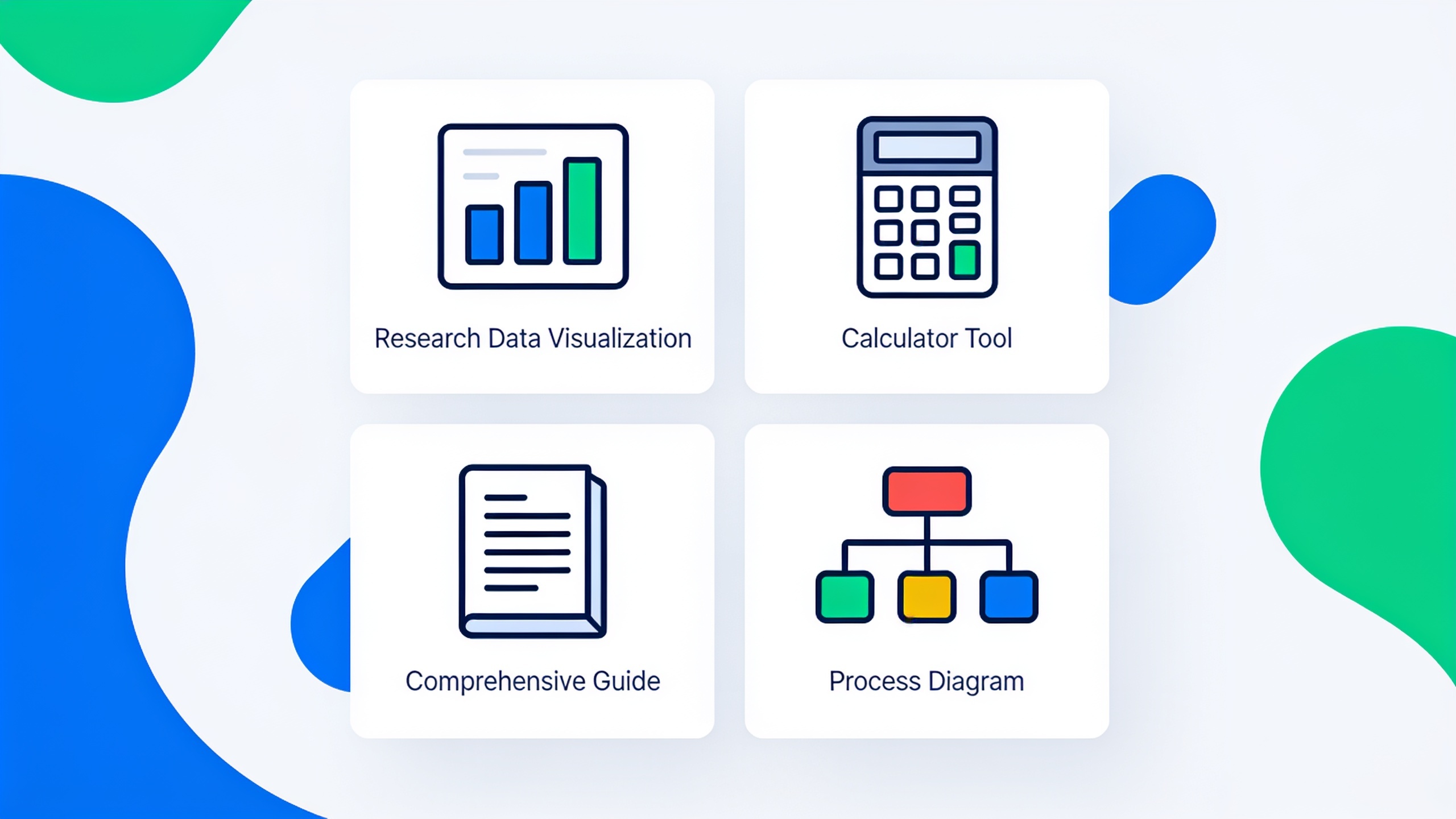
A few formats earn links over and over again. Original research and data studies top the list, because unique data literally can't be replicated elsewhere. Even a small study surveying 100-200 people in your niche can outperform generic blog posts for link acquisition.
Free tools and calculators are the quiet workhorses. They solve an immediate problem, so they pick up "resource page" links from educators, bloggers, and directories over a long stretch of time. A simple ROI calculator or checklist generator can keep earning links for years with zero additional outreach. Set it and forget it, basically.
Comprehensive guides that fill a real content gap are the next lever. Don't rewrite what already ranks on page one. Find what's missing from the current top results (stale stats, no examples, unanswered sub-questions) and build the more complete version. People call this the "skyscraper technique," and it still works because you're targeting sites that already proved they'll link to that exact topic.
And then there's visual assets. Custom diagrams, infographics, process charts. These get embedded and cited constantly, especially in SaaS, finance, and health, where explaining a complicated idea visually is worth its weight in gold.
If you don't have a dedicated content team, this is exactly where AI-assisted platforms can close the gap. RobinRank, for one, is built to research, write, and publish SEO-optimized articles at a pace that'd normally take a multi-person editorial team. That matters for link earning because consistency and depth are prerequisites for anyone deciding to cite you as an authority. A site posting one thin article a month almost never builds the kind of resource library that pulls in organic citations. A site publishing several well-researched, properly structured articles a week has way more surface area for other publishers to stumble onto and link to.
Repurposing Content to Multiply Link Opportunities
One piece of original research can become a data visualization for Pinterest and LinkedIn, a press release for digital PR outreach, a guest post angle for niche blogs, and a core landing page that ranks and earns links on its own. So a single research effort feeds four or five separate link-earning channels instead of just one. Work smarter, not harder, and all that.
How Much Does It Cost to Build Backlinks Ethically?
Building backlinks ethically runs anywhere from a few hundred dollars a month if you're leaning on in-house tools and AI content platforms, up to $3,000-$10,000+ a month for agency-led digital PR and outreach. What you're really paying for is either labor (research, writing, outreach) or software and network access. That's the whole equation.
| Approach | Typical Monthly Cost | Best For |
|---|---|---|
| DIY outreach + manual guest posting | $0-$500 (time-intensive) | Solo founders, very small budgets |
| AI content platform + link exchange network | $100-$500 | Startups, small businesses, agencies scaling content |
| Freelance link building specialist | $500-$2,500 | Small businesses needing targeted outreach |
| Full-service digital PR agency | $3,000-$10,000+ | Established brands seeking high-authority coverage |
| Buying links from a broker (not recommended) | $50-$500 per link, high penalty risk | No legitimate use case |
One thing worth saying loudly: cost doesn't always track with link quality. A well-run exchange network paired with consistent, well-researched content can produce a steady stream of relevant, contextual links for a fraction of what a full digital PR retainer costs. PR still wins when the specific goal is top-tier news domains. But for most people, a blended approach makes the most sense. Use scalable stuff like content-led earning and exchange networks for volume and consistency, then save your PR budget for a few high-impact campaigns a year built around a real news hook or a fresh research release.
Measuring Success: Which Metrics Actually Matter
The metrics that matter most are referring domain growth, topical relevance of the sites linking to you, and downstream organic traffic. Not raw link count, which is trivially easy to inflate and just as easy for Google to discount when it smells fishy. Tracking the wrong numbers gives you a warm feeling of progress while your actual rankings sit there doing nothing.
Referring domains, meaning the unique websites linking to you rather than total backlinks, is a much stronger signal than link count, because Google is understood to weigh diversity of sources heavily. Ten links from ten different relevant domains usually beats fifty links from five domains. You can track this over time in Ahrefs, Semrush, or Google Search Console's own links report.
Past the raw counts, keep an eye on a few things. Domain relevance: is the linking site in a related industry, or is it completely random? Anchor text diversity: is your profile mostly branded and natural phrases, or stuffed with exact-match commercial keywords (which is a classic red flag)? Referral traffic: are any of these links actually sending clicks, which tells you there's real audience overlap and a genuine editorial placement rather than some buried footer link? And ranking movement: are the pages getting new links actually climbing for their target keywords over the following weeks?
A healthy program shows gradual, steady growth in referring domains, not sudden spikes. Spikes tend to invite closer scrutiny from Google's spam systems, and nobody wants that attention. Consistency wins here. A handful of quality links every month for a year beats a single burst of 50 links in one week, both for ranking durability and for staying out of trouble.
FAQ
Is guest posting still worth it for link building in 2025?
Yeah, it still works, as long as you're targeting relevant, actively-publishing sites and the content genuinely serves that publication's audience instead of existing purely to plant a link. Google has said publicly that guest posting itself isn't a violation. The problem is scaled, low-quality guest posting done just for links.
How long before I actually see results from ethical link building?
Most SEOs report measurable ranking movement from a sustained campaign within 3-6 months, though any single link's impact varies with domain authority, competition, and how fast Google crawls and processes it. Digital PR placements on high-authority news sites can sometimes speed this up, thanks to the trust signal attached to big domains.
What's the actual difference between a backlink exchange network and a link scheme Google penalizes?
It comes down to relevance, editorial context, and proportion. A legit exchange network places links inside genuinely related content across diverse domains, without excessive reciprocity or copy-paste anchor text. A penalized scheme is the opposite: obvious quid pro quo deals, irrelevant sites, and thin or templated content built purely to house links.
Can AI-generated content earn backlinks?
Yes, as long as it clears the bar for quality and usefulness. Google's guidance is about whether content is helpful, not how it was made. Platforms like RobinRank are built to produce well-researched, properly structured articles that can work as citable resources, which supports link earning provided the output is accurate, original, and actually useful to readers.
Do nofollow links still count for anything?
Nofollow links generally don't pass direct ranking authority, but they're far from worthless. They send referral traffic, boost brand visibility, and can indirectly lead to natural dofollow links when readers or other publishers discover you through that mention. Plus, a profile with some nofollow links from reputable sites looks more natural to search engines than one made up entirely of dofollow links.
Building backlinks without buying them isn't about grinding harder for the same payoff. It's about pouring that effort into assets that keep paying you back long after a campaign wraps. Whether you go with a well-structured exchange network, a few well-placed guest posts, a genuine PR story, or a piece of original research, the common denominator is always real value traded with real publishers. Start with one tactic. Track referring domains and relevance instead of raw counts. Then let consistency do the compounding for you over the months ahead.
Ready to stop writing content by hand? Start your free RobinRank trial and get a full month of SEO-optimized articles published on autopilot.