Do-Follow vs No-Follow Links: What Actually Moves Rankings
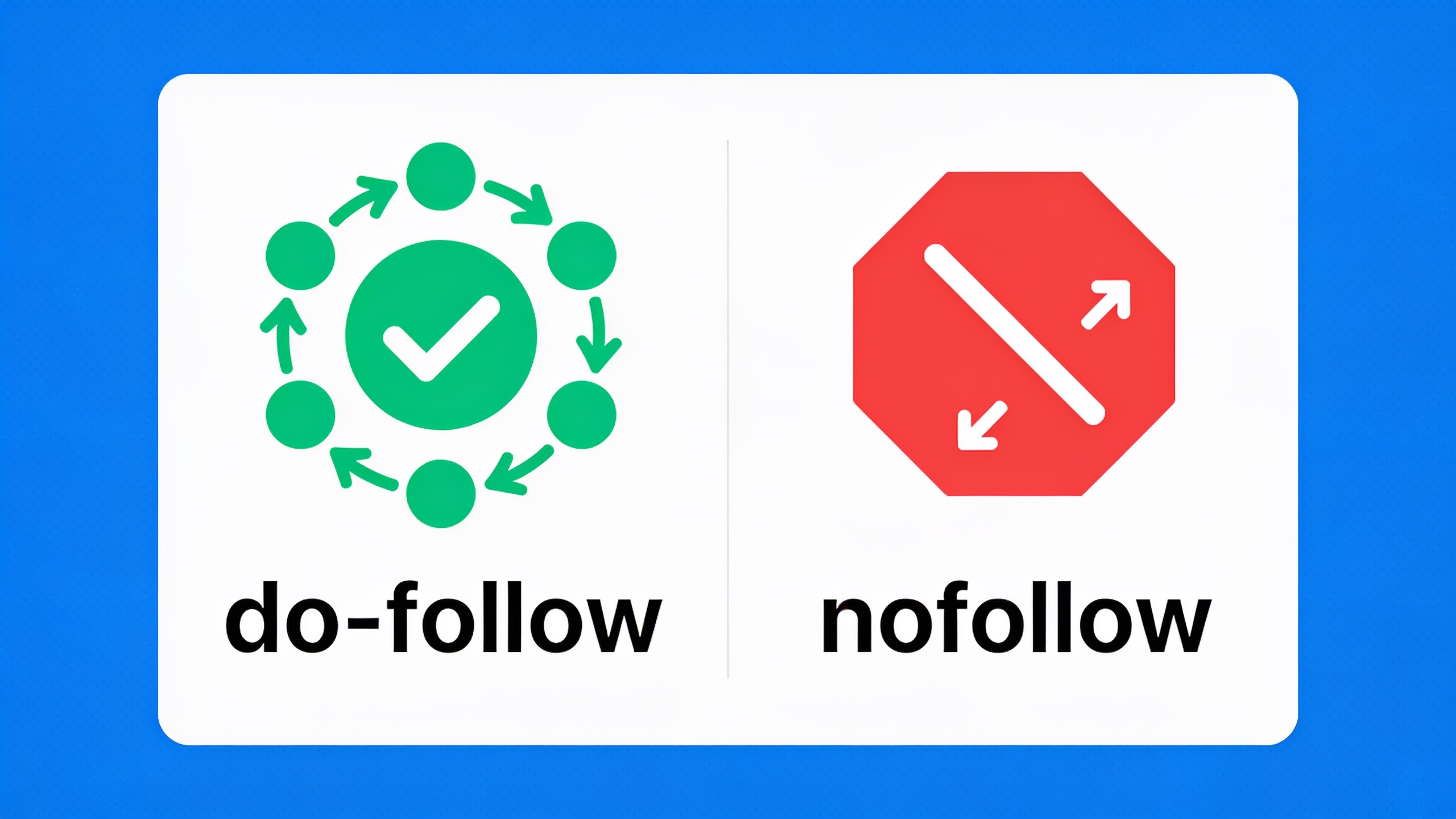
The distinction between do-follow and no-follow links is messier than the rule of thumb suggests, and getting it right can save you from burning hours chasing the wrong placements. So let's actually talk about what these attributes do, what Google has said (in its own words), and how nofollow links behave when the rubber meets the road in a real link-building campaign.
Table of Contents
- What Are Do-Follow and No-Follow Links?
- Do-Follow vs No-Follow Links: The Technical Difference
- Does Nofollow Actually Block Ranking Impact?
- Do-Follow vs No-Follow Links: A Side-by-Side Comparison
- Real-World Examples of Nofollow Links Still Helping
- How to Build a Link Profile That Uses Both
- Common Mistakes SEOs Make With Link Attributes
- Frequently Asked Questions
What Are Do-Follow and No-Follow Links?
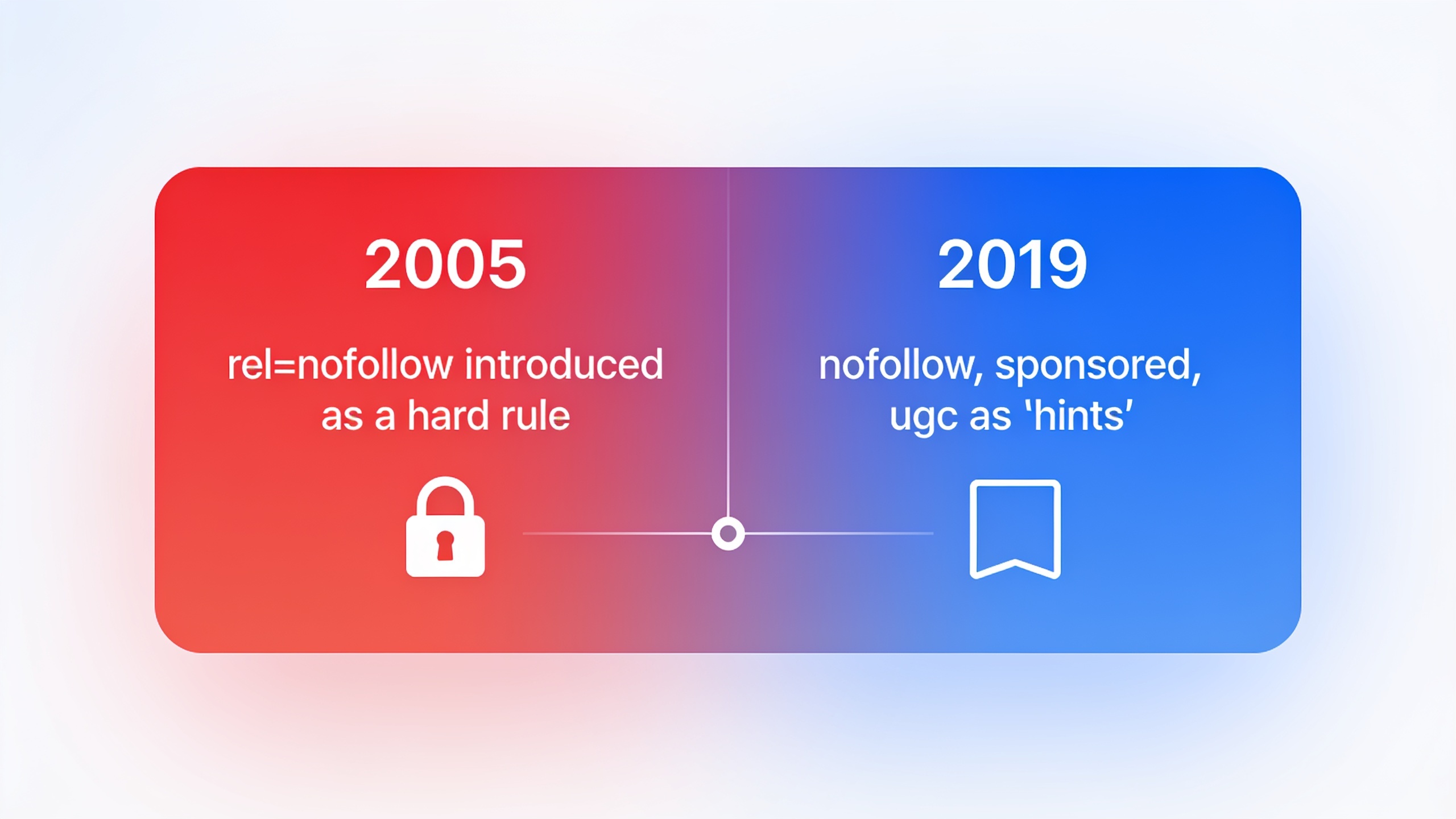
A do-follow link is just a normal hyperlink with nothing special attached, which tells search engine crawlers to follow it and, at least historically, pass along ranking credit (the stuff people call "link equity" or "PageRank"). A nofollow link is a hyperlink carrying the HTML attribute `rel="nofollow"`, which Google introduced back in 2005 so site owners could tell search engines, "don't pass credit through this one."
So basically every link on the web is one or the other, unless a webmaster deliberately steps in. Do-follow is the default. You don't add anything to make a link do-follow, it just is. Nofollow, though, is a choice. Somebody has to type it into the markup, usually inside the anchor tag, like so:
```html
example link
```
Then in 2019 things got a little more granular. Google added two cousins to the same rel-attribute family: `rel="sponsored"` for paid or advertising links, and `rel="ugc"` for user-generated content like blog comments and forum posts. According to Google's Search Central blog (2019), the whole point was to give site owners more precise ways to label their links. And here's the part that trips people up: all three, nofollow, sponsored, and ugc, are now treated by Google as "hints," not hard rules, when it's deciding whether a link counts for ranking.
Do-Follow vs No-Follow Links: The Technical Difference
The technical difference between do-follow and no-follow links boils down to a single HTML attribute that tells the crawler how to treat the link. It changes nothing about the human experience. Both are fully clickable, and both dump the visitor onto the destination page exactly the same way.
Under the hood, though, here's what's going on. Do-follow links have no `rel` attribute at all (or a neutral one like `rel="noopener"` that exists for security and doesn't touch SEO), so search engines are free to crawl the destination and count the link as a signal if they feel like it. Nofollow links carry `rel="nofollow"`, historically read as "don't pass PageRank, don't treat this as an endorsement." Sponsored links wear `rel="sponsored"` for paid placements, ads, and affiliate stuff. And ugc links carry `rel="ugc"` for anything a user dropped in rather than the site's editorial team, so think comment sections, forum signatures, wiki edits.
Oh, and a single link can carry more than one of these at once (`rel="nofollow sponsored"` is totally legit), and Google explicitly says that's fine.
Now, that word "hint." It matters way more than it looks. Before 2019, nofollow was a hard rule. Google flat-out said it wouldn't crawl or credit the link, period. After the 2019 change on Google's Search Central blog, the language softened: nofollow, sponsored, and ugc became signals Google "may" respect, not orders it's bound to obey. That one wording swap is the entire reason the old "nofollow equals zero value" gospel needs a rewrite.
Does Nofollow Actually Block Ranking Impact?
No, a nofollow attribute does not guarantee zero ranking impact. It changes how likely a link is to hand over direct ranking credit, but it doesn't wipe out every other benefit a link can bring, and Google itself has admitted it may still use nofollow links as a discovery and crawling signal. This is the heart of the whole nofollow ranking-impact debate, and it's less of an on/off switch than people want it to be.
What Google Actually Said
When Google rolled out the sponsored and ugc attributes in 2019, its Search Central blog described nofollow as moving from a directive to a hint. The company said all three attribute types could still be used by its systems "for crawling and indexing purposes," even though they're not meant to pass full ranking credit the traditional PageRank way. Translation: Google reserved the right to use its own judgment about when a nofollow link is still worth paying attention to, rather than promising to always throw it in the trash.
Why This Matters for Real Campaigns
For anyone running an outreach program, the practical takeaway is that a diverse backlink profile (a mix of do-follow and nofollow links from real, legitimate domains) looks a lot more natural than a wall of do-follow links from a bunch of freshly registered sites. In fact, a profile with zero nofollow links can be a red flag all by itself. Think about it: no organically earned brand ever accumulates only do-follow mentions. Press coverage, Wikipedia citations, social platforms, tons of major publishers, they all slap nofollow on by default.
The Indirect Stuff That Still Counts
Even if you set the direct-credit question aside completely, nofollow links can still push a site forward in ways that eventually loop back around to rankings.
Referral traffic is the obvious one. A nofollow link on a busy page (a news site, a big forum thread, a popular subreddit) sends actual humans your way, and visitor behavior matters for SEO when you zoom out. There's also discovery, because Google's crawlers can still follow and index a nofollow link, meaning new content sometimes gets found faster through a nofollow link than it would through no link at all. And then there's the credibility angle, which is fuzzier but real. A backlink from a big, trusted domain, even a nofollow one, lends a smaller brand some borrowed authority just by association. That can nudge journalists, other site owners, and link builders toward linking to you later.
None of this makes nofollow links equal to do-follow links for direct ranking. It just means the tidy little binary, "nofollow does nothing, do-follow does everything," is a cartoon version of how search engines actually chew through the web.
Do-Follow vs No-Follow Links: A Side-by-Side Comparison
Sometimes it's just easier to see the whole thing laid out.
| Attribute | Passes Direct Ranking Credit | Common Sources | Typical Use Case | SEO Value |
|---|---|---|---|---|
| Do-follow (no attribute) | Yes, by default | Editorial mentions, guest posts, natural citations | Standard content links | Highest direct link-equity value |
| `rel="nofollow"` | Treated as a hint, not a guarantee | Blog comments, forum signatures, many news sites | Untrusted or unvetted user content | Indirect value (traffic, discovery, brand signal) |
| `rel="sponsored"` | Not intended to pass credit | Paid placements, affiliate links, ads | Disclosing paid relationships | Compliance and transparency, minimal direct SEO value |
| `rel="ugc"` | Not intended to pass credit | Comments, forum posts, wikis | Labeling user-generated content | Helps Google separate editorial content from user content |
The big thing the table shows is that "no-follow" isn't one lump anymore. Sponsored and ugc are basically specialized flavors of nofollow, each whispering something slightly different to Google about why the link exists in the first place.
Real-World Examples of Nofollow Links Still Helping
Now, I'll be honest with you: clean, independently verified studies that isolate exactly how much a nofollow link contributes to rankings are pretty much nonexistent in public. Nobody's handing that data over. But the way the web actually behaves tells you plenty.
Take Wikipedia. It puts `rel="nofollow"` on essentially every outbound link on the platform. And yet SEO teams and PR folks still chase Wikipedia citations relentlessly. Not because it moves rankings directly, but because it drives qualified referral traffic, builds credibility, and constantly gets spotted by journalists and other site owners who then link back with a nice juicy do-follow.
Want content like this running on autopilot for your own site? Try RobinRank free — AI-written, SEO-optimized articles generated and published automatically, no credit card required.
Major news outlets do a similar thing. They'll nofollow links inside press releases and sponsored sections to stay compliant with disclosure rules and to avoid handing free ranking credit to brands paying for the coverage. But a startup that lands a nofollow mention in a well-known outlet still wins. The article gets indexed, gets shared, and sometimes gets referenced elsewhere with a do-follow link.
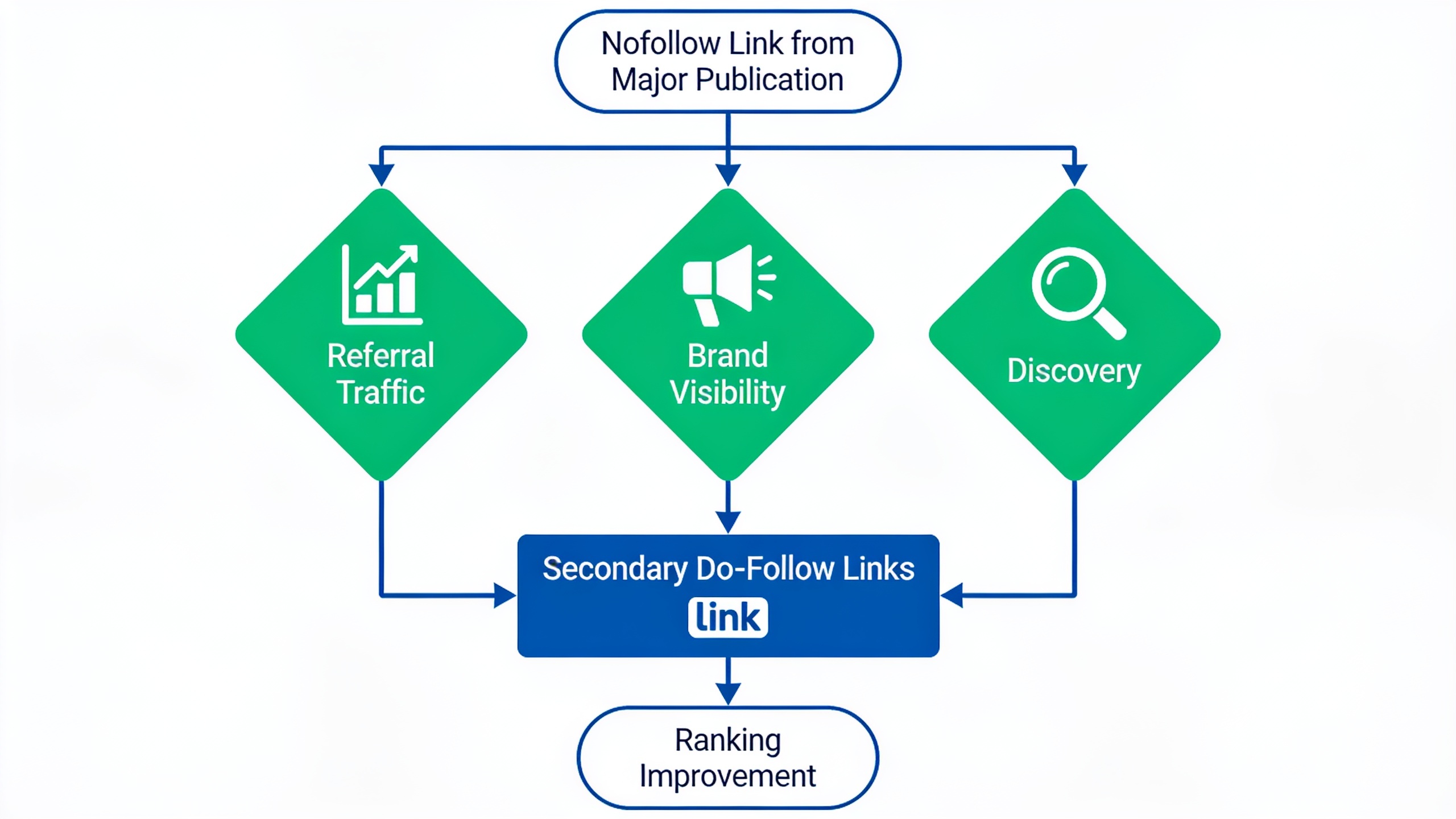
And then there's Reddit and the big forums, which nofollow their outbound links by default. Doesn't stop SEOs from showing up. Those threads rank well on their own, and a nofollow link buried inside a highly ranked thread can pull in real click-through traffic even with zero PageRank flowing through it.
The pattern here is pretty clear. Nofollow links rarely move a single keyword position on their own. What they do is kick off the surrounding ecosystem, the visibility, the traffic, the secondary linking, that eventually adds up.
How to Build a Link Profile That Uses Both
A tough, durable backlink strategy deliberately mixes do-follow and nofollow links instead of chasing one type like a maniac, because search engines factor in how natural your profile looks when they're sizing up trust. Go hunting for do-follow links from every single source, especially through paid or reciprocal deals, and you'll end up with a lopsided profile that reeks of manufacturing rather than earning.
Relevance Beats Attribute Type. Every Time.
When you're staring at a potential placement, relevance to your niche and the authority of the linking domain almost always matter more than whether the link is do-follow or nofollow. A relevant nofollow link from a respected industry publication will usually do more for your SEO and your brand than an irrelevant do-follow link from some random low-quality site nobody's ever heard of.
Diversify Where Your Links Come From
A healthy link profile tends to pull from a bunch of different places at once: editorial do-follow mentions from industry blogs and news sites, nofollow citations from big platforms like Wikipedia, Reddit, or major outlets, guest post links (earned through actual value, not bought), and directory or profile links, plenty of which are nofollow by default anyway.
If you're doing outreach seriously, it pays to know a few tactics beyond the obvious. For instance, broken link building is a step-by-step outreach method where you hunt down dead links on relevant pages and pitch your own content as the replacement. It tends to net do-follow links precisely because you're stepping into an existing editorial citation rather than begging for a brand-new favor.
Handle Reciprocal Links Like They're Slightly Radioactive
Reciprocal exchanges, where two site owners agree to link to each other, can absolutely be part of a healthy strategy. But do them at scale with no review process and you're playing with fire, because Google has a long history of side-eyeing excessive, unnatural reciprocal patterns. Before you commit to anything big, it's genuinely worth reading a closer look at whether link swapping is safe and what Google's real stance on reciprocal links actually is. Platforms that manually vet sites first, confirming the domain is real, the content is substantive, and it's not a link farm, cut out a lot of that risk compared to blind, unvetted swaps.
Track the Mix, Not Just the Count
Don't measure success purely by how many backlinks you've racked up. Watch the ratio of do-follow to nofollow over time. A profile that leans way too hard toward do-follow, especially from newer or weaker domains, starts to look fake. A more balanced mix (the kind big, organically successful sites naturally build up) is a safer long-term bet.
Common Mistakes SEOs Make With Link Attributes
The single most common blunder is writing off nofollow links as worthless and refusing any placement carrying the attribute, which means throwing away real traffic, brand exposure, and indexing opportunities over one little HTML tag. Here are the errors that keep costing people.
Rejecting nofollow placements outright. Some outreach teams tell their link builders to only chase do-follow, filtering out any site that defaults to nofollow. That tosses out legitimate traffic and brand-building, especially from the big platforms (news sites, forums, review sites) that nofollow everything as blanket policy no matter how good the specific link is.
Buying do-follow links at scale. Loading up on cheap do-follow links from low-quality or irrelevant sites is still one of the fastest ways to get link building into trouble. An unnaturally do-follow-heavy, low-relevance profile is exactly the fingerprint of something manufactured.
Ignoring the sponsored attribute on paid content. The second any money changes hands, sponsored content, paid guest posts, affiliate deals, Google's guidance says use `rel="sponsored"` instead of a plain do-follow. Skipping the label doesn't make your link stronger. It just misrepresents the whole relationship to search engines.
Assuming every nofollow link is the same. A nofollow link from a globally recognized, high-traffic domain is worlds apart from a nofollow link rotting in a spam comment on some abandoned blog. Attribute type is one variable. Domain authority, relevance, and traffic potential still carry huge weight, nofollow or not.
Never auditing your attributes over time. Backlink profiles drift. Sites update their policies, rebuild their comment sections, or swap CMS platforms in ways that quietly add or strip nofollow from existing links. Checking your live backlinks now and then, making sure the attribute still matches what you agreed on, confirms your placements are actually doing what you think. This is a big reason verification matters with any exchange or outreach partner: you want to know the link is genuinely live, on the agreed page, with the right anchor and attribute, not just assume it stayed that way forever.
Frequently Asked Questions
So does a nofollow link help SEO at all, or not?
It can, just indirectly. A nofollow link drives referral traffic, helps content get discovered through crawling, and adds to brand visibility, even though Google treats `rel="nofollow"` as a hint rather than a promise to pass direct ranking credit, per Google's Search Central blog (2019).
Is it even worth chasing nofollow backlinks in outreach?
Yeah, usually. A profile made up entirely of do-follow links from every source can look unnatural, and nofollow links from reputable, relevant, high-traffic domains still deliver real perks like visibility and referral clicks.
What's the actual difference between nofollow, sponsored, and ugc?
Nofollow is the general-purpose "I'm not editorially endorsing this for ranking" attribute. Sponsored specifically flags paid or advertising relationships. And ugc labels links dropped in by users, like comments or forum posts. Google formalized all three together in 2019, and they're treated similarly as hints for crawling and indexing.
Can a do-follow link ever actually hurt my rankings?
A do-follow link on its own won't hurt you. But a pattern of unnatural ones, say, a pile of purchased links from irrelevant, low-quality, clearly manufactured sites, can raise questions about how natural your overall profile looks. That's a separate risk from the attribute itself.
How do I check whether a link is do-follow or nofollow?
Peek at the page's HTML source and look for the `rel` attribute on the anchor tag, or crack open your browser's developer tools to inspect the element. Plenty of SEO browser extensions will also highlight nofollow links right on the page if you want to audit faster.
Where This Leaves Your Link-Building Strategy
Do-follow vs no-follow was never really a cage match where one type wins and you avoid the other. It's a distinction that shapes how a link helps your visibility, and both types deserve a spot in a well-rounded profile as long as the underlying site is relevant and trustworthy. Chase do-follow at the expense of quality, relevance, or a natural ratio and it tends to backfire more than it helps. Snub nofollow entirely and you're leaving real traffic and brand exposure sitting on the table. The smartest move is to treat the attribute as just one input among many, because domain authority, topical relevance, traffic potential, and whether the site is even legit still carry most of the weight.
Ready to stop writing content by hand? Start your free RobinRank trial and get a full month of SEO-optimized articles published on autopilot.