Outranking vs RobinRank: Full Platform Comparison
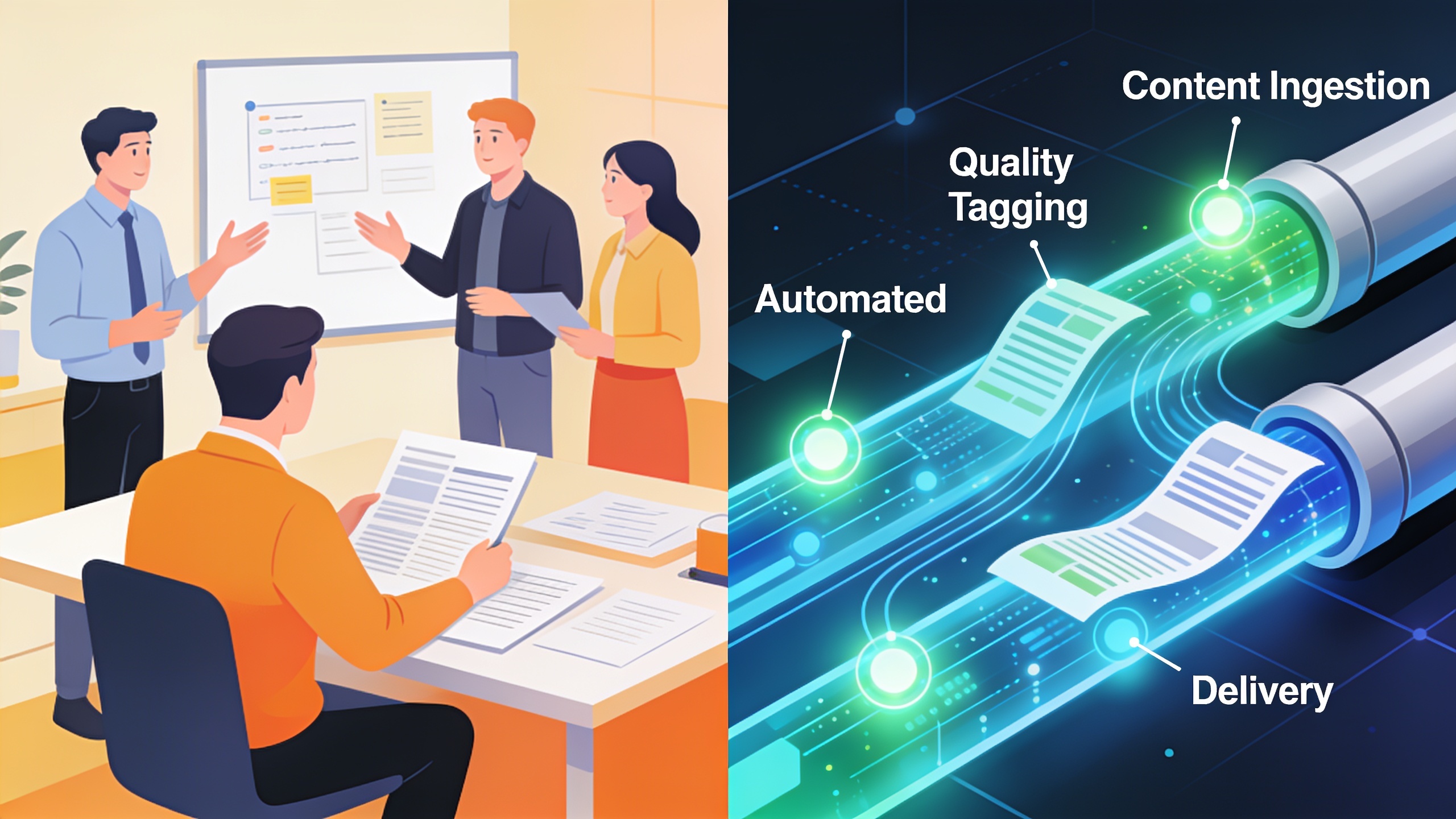
That's really the whole ballgame with Outranking vs RobinRank. Everything else is detail. Both tools show up in the same conversations as Surfer SEO and Content at Scale, and both promise to help you produce content that ranks without burning out your team. But they go about it in almost opposite ways. Outranking is all about structured briefs and AI-assisted drafting with a human firmly in the driver's seat. RobinRank leans hard into automation, right down to a built-in backlink exchange network that, honestly, most competitors don't even attempt.
Let me walk you through where they actually differ, because it matters more than the marketing pages let on.
Table of Contents
- What Are Outranking and RobinRank?
- Content Brief Capabilities Compared
- How Much Automation Does Each Platform Actually Provide?
- Publishing Workflows: Manual vs Automated
- Link-Building Functionality Compared
- Pricing and Value for Different Team Sizes
- Which Platform Should You Choose?
- Frequently Asked Questions
What Are Outranking and RobinRank?
Outranking is an AI content optimization platform built around SEO content briefs, SERP analysis, and collaborative drafting tools, made for teams that still write and edit by hand. RobinRank is an AI-powered SEO platform that automatically writes, optimizes, and publishes full articles, then plugs your site into a natural backlink exchange network to build authority alongside the content.
That gap shapes basically everything that follows, so it's worth sitting with. Think of Outranking as a co-pilot. It'll generate briefs, suggest topics and keywords, and give you an AI writing assistant inside a document editor. But you're still the one flying the plane. You research competitors, refine outlines, and hit publish. RobinRank is more like autopilot. Once it's connected to your site, it can research topics, draft complete articles, optimize them for your target keywords, publish straight to your CMS, and go hunting for links through its exchange network, all with way less babysitting from you.
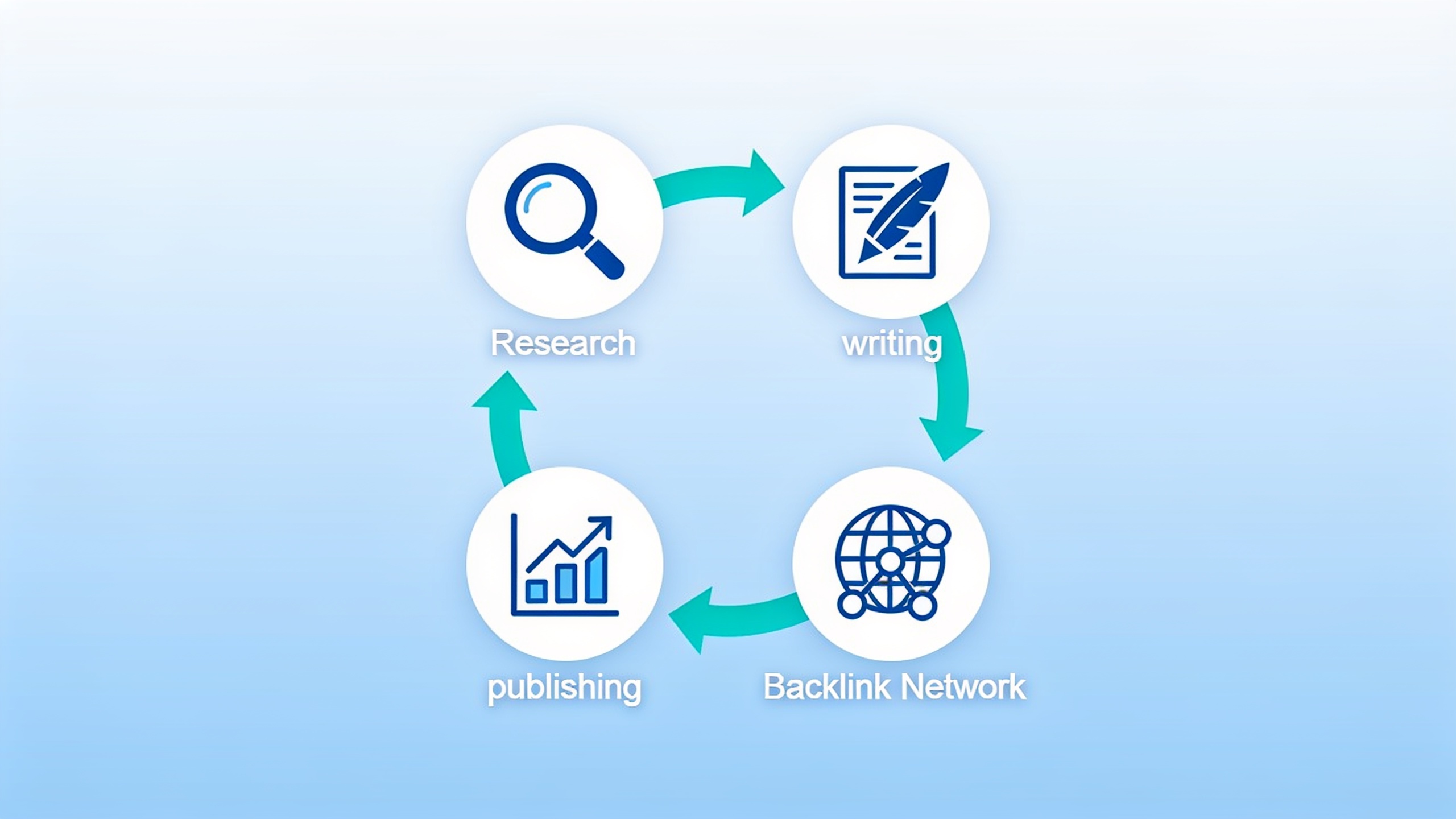
So who's each one for? If you're an agency or an in-house team that already has writers and just wants better research tooling, Outranking's brief-first approach is going to feel comfortable and controllable. If you're a startup founder, a solo marketer, or a small business with no content team to speak of, RobinRank's whole pitch is to remove the bottleneck instead of just making it move faster.
Content Brief Capabilities Compared
A content brief is a structured document laying out the target keyword, search intent, recommended word count, headings, and competitor insights a writer should lean on to draft an optimized article. Both platforms build them. But the depth, and what happens next, is where they split.
Outranking's brief generator pulls data from the pages already ranking for your keyword and surfaces recommended headings, questions worth answering, entities to include, and word count targets. You can edit these briefs by hand, drop in custom instructions, and either export them for writers or paste them straight into the platform's AI drafting tool. This is genuinely great for teams that care about brief structure down to the formatting. Picture an agency juggling a dozen clients, each with their own style guide, needing briefs shaped a certain way before they land in a freelancer's inbox. That's the Outranking sweet spot.
RobinRank does briefs differently. It builds them as an internal step in the automated pipeline, not as a thing you review and hand off. The platform reads search intent, studies competitor content, assembles a brief in the background, and then immediately uses it to write the article. The brief exists. You just don't usually see it or approve it. If your workflow relies on signing off on a brief before anyone writes a single word, that's a real difference. Outranking bakes that checkpoint right in. RobinRank is built to go from research to draft in one uninterrupted motion.
Where Brief Quality Actually Shows Up
Here's what nobody tells you: a brief looking detailed means nothing. The only question that matters is whether the article it produces actually ranks. And ranking is hard. A 2023 Ahrefs study of two million pages found that only about 5.7% of newly published pages crack the top 10 of Google for even one keyword within a year. That's brutal. And it's exactly why brief accuracy (nailing the intent, covering the right entities) beats brief length every time.
Both tools aim for intent-matching. But because RobinRank's briefs feed straight into automated drafts, any mistake in intent detection travels fast and shows up in the finished piece. So RobinRank's SERP-analysis has to carry more weight than Outranking's does, where a human editor usually catches an intent mismatch before it ever goes live. Neither approach is wrong. They just fail in different places.
How Much Automation Does Each Platform Actually Provide?
Outranking automates the research and the first draft but still expects a human to edit before anything publishes. RobinRank automates the whole lifecycle, from topic research through drafting, optimization, and publishing, with barely any manual steps. This is the single biggest functional difference between the two, full stop.
Outranking's AI writing assistant will generate paragraphs, expand outlines, and rewrite sections on command inside the editor, pretty much like a lot of AI writing tools do these days. But the whole thing is architected around human-in-the-loop editing. You review the AI's suggestions, accept or reject them, format the piece, finalize it. That's a deliberate choice, and it suits people who want AI as an assistant, not an author.
RobinRank pushes automation much further down the line. Once it's set up, it can spot topic opportunities based on your site's content gaps and target keywords, write full articles optimized for the on-page stuff (headings, keyword placement, internal linking, meta tags), and push them live without anyone assembling the final piece by hand each time. For a team with no dedicated writers or editors, that closes the ugly gap between "we know what content we need" and "the content is actually live." And that gap is a killer. Semrush's 2023 State of Content Marketing report found that content creation speed ranks among the top challenges for surveyed marketers, with plenty of teams naming it their single biggest production bottleneck.
If you want to see how RobinRank's automation stacks up against other hands-off tools, RobinRank vs Content at Scale: Full Feature Breakdown is worth a read. Content at Scale is another automation-heavy platform, and that comparison digs into where full-pipeline tools split from each other on quality control and editing options.
Automation Comparison Table
| Feature | Outranking | RobinRank |
|---|---|---|
| Content brief generation | Yes, standalone and exportable | Yes, internal to pipeline |
| AI first-draft writing | Yes, assisted (human edits expected) | Yes, fully automated |
| On-page SEO optimization | Manual with AI suggestions | Automatic |
| Direct CMS publishing | Limited/integration-dependent | Built-in automated publishing |
| Backlink building | Not included | Built-in exchange network |
| Best suited for | Teams with writers/editors | Teams without a content team |
| Human review required | Substantial | Minimal (optional) |
Publishing Workflows: Manual vs Automated
Outranking makes you export or run an integration to move finished content from its editor into a live CMS. RobinRank publishes articles straight to your connected site as part of the automated pipeline. If speed-to-publish is a KPI you actually track, this matters a lot.
With Outranking, once your draft is done in the editor, the usual dance is exporting the content (copy-paste, Google Docs export, or a CMS integration depending on your plan) and then having someone format and schedule it inside WordPress, Webflow, or whatever you're running. That handoff gives you one last quality check, which is nice. But it also drags back exactly the manual labor automation is supposed to kill. And your publishing cadence is now stuck behind whoever's job it is to do that final push.
RobinRank skips all of that. It connects to your site and publishes finished, optimized articles on a schedule without anyone formatting or uploading anything. For a small business or startup trying to keep a steady drumbeat of content going (and HubSpot's research has shown, over and over, that companies publishing more often tend to pull in more organic traffic), this kills one of the dumbest reasons content calendars slip. You know the ones. Somebody forgot to hit publish. The formatting exploded when copying from a doc. Gone.
Want content like this running on autopilot for your own site? Try RobinRank free — AI-written, SEO-optimized articles generated and published automatically, no credit card required.
If you've weighed editor-based workflows against SEO-writing-assistant workflows before, RobinRank vs Surfer SEO: Which Tool Fits Your Workflow? is a useful stop. Surfer SEO runs on the same assistant-plus-human-editor model as Outranking, and that piece gets into the tradeoffs of that setup versus full automation in more detail.
Link-Building Functionality Compared
Outranking has no built-in link-building or backlink acquisition feature at all. It's an on-page tool, not an off-page authority tool. RobinRank, on the other hand, treats a backlink exchange network as a core feature, connecting participating sites so they can earn relevant links from each other while they're producing content.
This is maybe the sharpest line between the two. Link building (getting other sites to link back to yours, which search engines read as a trust and authority signal) is one of the hardest parts of SEO to scale. You either need a fat outreach budget or an existing web of industry relationships, and most people have neither. Outranking, like nearly every content-brief-and-writing tool, just leaves this out entirely. You're expected to run outreach, guest posts, or digital PR through separate tools or an agency.
RobinRank's natural backlink exchange network comes at it from a completely different angle. Instead of cold outreach (which, let's be honest, everyone hates doing), it connects sites within its user network so your content can pick up contextually relevant backlinks from other participating sites. Basically, it folds link acquisition into the same platform that's writing your content. And that's not a small thing, because backlinks remain one of Google's most reliably cited ranking factors. Backlinko's 2023 analysis of over 11 million search results found a strong correlation between the number of referring domains and higher rankings. So a platform that treats link-building as a real, first-class feature rather than a shrug is offering something genuinely different from one that only touches on-page.

For SEO pros and agencies running a bunch of client sites, this reshapes your whole tooling stack. With Outranking, a complete SEO program usually means duct-taping together a brief tool, a separate outreach platform, and some publishing workflow. With RobinRank, content and links run through one system, which can cut both cost and coordination headaches. The catch? Your results now depend on how big and how good RobinRank's exchange network is, rather than a custom outreach campaign built specifically for your niche. Worth thinking about.
Link-Building Feature Comparison
| Capability | Outranking | RobinRank |
|---|---|---|
| Built-in backlink acquisition | No | Yes (exchange network) |
| Outreach/guest post tools | No | Not required (network-based) |
| Requires separate link-building tool | Yes | No |
| Domain relevance matching | N/A | Yes |
| Off-page SEO coverage | None | Integrated with content workflow |
Pricing and Value for Different Team Sizes
Outranking generally prices around brief and word-count credits, which works for teams that want to pay by content volume and keep a tight leash on usage. RobinRank prices around its full-service model of writing, optimizing, and publishing, plus link access, which works for teams that want predictable output without wrangling a pile of tools. Exact tiers shift over time on both sites, so check current rates yourself before committing. But the structural difference in how each one prices its value stays pretty consistent, and it's worth understanding.
Since Outranking is charging mostly for research and drafting help, teams that already pay writers tend to find the cost easy to swallow. You're buying a research accelerator, not replacing a person. But a small business or solo founder looking at the same spend on RobinRank isn't really comparing it to a research tool. They're comparing it to the cost of a freelance writer or a content agency, because RobinRank's output is the finished, published, optimized article, not just a brief or a rough draft. Different math entirely.
For agencies running several client accounts, the numbers shift again. Outranking's per-brief or per-credit pricing scales predictably as you add clients and pieces. RobinRank's automation can trim the labor hours per client, which starts to really matter when agency margins are getting squeezed by rising freelancer rates. The Content Marketing Institute's 2024 B2B research found that a majority of marketers name budget constraints as a top challenge, which is a big part of why fully automated platforms have caught on with smaller teams. They can't add headcount, but they still need content going out the door consistently.
Which Platform Should You Choose?
Go with Outranking if your team already has writers and editors and you just want better research, better briefs, and AI-assisted drafting inside a controlled, human-driven workflow. Go with RobinRank if you want one platform to run the entire content lifecycle (research, writing, optimization, publishing) and also want built-in backlink support without hiring an outreach team or stitching together a stack of SEO tools.
There's no universally "better" tool here, and anyone telling you otherwise is selling something. The right pick depends entirely on where your bottleneck actually lives. If your writers are drowning in research and outlining, Outranking's brief tools nail that specific pain. If you don't have writers at all, or you have writers but nobody to handle SEO optimization, publishing logistics, and link building on top of the writing, RobinRank covers a lot more of the pipeline at once.
And honestly? Some agencies run both. They use Outranking's brief and research tools for high-priority client work that needs heavy editorial control (the kind of comparison you'll find in RobinRank vs Surfer SEO), while leaning on RobinRank's automation for smaller accounts or internal content, where a full write-optimize-publish-link pipeline just delivers more per dollar than a brief-only tool ever could.
Frequently Asked Questions
Does Outranking publish straight to my website the way RobinRank does?
Not really. Outranking is mainly a research and drafting tool that lives inside its own editor. Direct CMS publishing is limited or depends on integrations, and most people end up exporting finished content by hand. RobinRank publishes finished articles directly to a connected site as a built-in part of its pipeline.
I'm a small business with no writer. Which one should I get?
RobinRank, most likely. It handles research, drafting, optimization, and publishing without needing anyone to write or format articles manually. Outranking still expects a person to drive most of the drafting and editing, which assumes you've already got some writing capacity on the team.
Does either one actually help with link building?
RobinRank does. It has a built-in natural backlink exchange network that connects participating sites so they earn relevant backlinks alongside their content. Outranking has no link-building feature whatsoever, so you'll need a separate tool or service for off-page SEO.
Can I run Outranking and RobinRank together?
Yep, some teams do. They use Outranking's brief and research tools for a handful of high-priority pieces that need serious human editorial control, and let RobinRank automate the higher-volume or lower-priority content plus the ongoing link-building. Just know that running two platforms adds cost and complexity that a single full-pipeline tool sidesteps.
Is RobinRank's automated content genuinely SEO-optimized, or just cranked out fast?
The pipeline includes on-page SEO optimization as a real step, not an afterthought. That's keyword placement, headings, meta tags, internal linking, the works. So it's not treating speed and optimization as separate problems. That said, like with any automated content tool, spot-checking published articles now and then is just smart. Same as you'd review work from any team member.
Both Outranking and RobinRank solve real problems in the modern SEO workflow. They just solve differently sized ones. If what you need is a sharper research and briefing layer bolted onto a team that already writes and publishes, Outranking earns its spot in the stack. If what you need is the whole thing, content to published article to backlink, handled without adding people, RobinRank's automation-first, link-network-included model was built for exactly that gap. Either way, test it against your actual content bottleneck. Don't decide from a feature list. Those never tell you what it's really like to live with the thing day to day.
Ready to stop writing content by hand? Start your free RobinRank trial and get a full month of SEO-optimized articles published on autopilot.