SaaS SEO Case Study: How a Startup Doubled Trial Signups With Automated Content

This case study follows a tiny workflow-automation startup. Let's call it Loopwise, a five-person team building a task and process automation tool for operations people. Over three months they went from a handful of organic trial signups a week to roughly double that, using a mix of AI-generated articles and a hand-vetted backlink exchange network. I want to be upfront: the point isn't to promise you'll hit the exact same numbers. It's to show what actually changed in their content and link process, and why those changes moved anything at all.
Table of Contents
- Why Loopwise Needed a Different Growth Playbook
- What Was the Starting Point in This SaaS SEO Case Study?
- How Automated Content Replaced a Content Team Loopwise Couldn't Afford
- Building a Natural Backlink Network Without Cold Outreach
- SaaS SEO Case Study Results: Trial Signups Over 90 Days
- How Long Does It Take to See AI Content Results?
- What Other SaaS Startups Can Take From This SaaS SEO Case Study
- Frequently Asked Questions
Why Loopwise Needed a Different Growth Playbook
Loopwise leaned into organic growth because its paid acquisition costs were climbing faster than its trial-to-paid conversion rate could justify, and there was zero budget for a full-time content hire. If you've run an early-stage SaaS company, you know this bind intimately. Paid search and social ads will get you signups, sure, but the cost per trial keeps creeping up as competitors bid on the exact same keywords. Content, once it's published, just keeps pulling in visitors without you paying per click.
They'd actually tried blogging for about a year before any of this. One post every four to six weeks, whenever someone happened to have a free afternoon. The writing wasn't bad, honestly. It was just all over the place, inconsistent on topic, on cadence, on search intent. Some posts were product updates nobody was searching for. Others were generic "best practices" pieces going head-to-head with sites a hundred times their size. There was no system, so the blog ended up reading more like a company diary than a growth channel.
Their real problem was never writing ability. It was volume, consistency, and having literally no way to get any of it noticed by other sites that might link back.
What Was the Starting Point in This SaaS SEO Case Study?
Before the new program, Loopwise's organic channel produced a small, flat trickle of trial signups each week, and the site had almost no inbound links beyond a couple of directory listings and one mention from a former customer's blog. Which meant the domain had basically no authority to rank for anything competitive. Even the handful of decent articles they'd published were sitting past page two for their target keywords, where, let's be real, nobody goes.
So the team set three goals for the next 90 days. First, publish on a consistent schedule around keywords their actual buyers were searching for, not just whatever was easy to write. Second, earn backlinks from real, relevant websites instead of directory spam or one-off guest post pitches that vanished into the void. And third, track trial signups coming specifically from organic search, kept separate from every other channel, so they could actually tell if this was working or not.
This baseline matters, and I don't want to gloss over it. Every number later in this piece is measured against it. A startup already cranking out three articles a week with a real backlink profile would see a completely different curve than one starting from near zero. And near zero is where most early-stage SaaS companies genuinely are, no matter what their LinkedIn posts suggest.
How Automated Content Replaced a Content Team Loopwise Couldn't Afford
Automated content here just means using an AI platform to research, draft, optimize, and publish articles at a pace a one- or two-person team could never keep up manually. Loopwise used RobinRank, an AI-powered SEO platform built to write, optimize, and publish articles for businesses, to go from sporadic blogging to an actual publishing schedule without hiring anyone.
From One Post a Month to a Real Publishing Cadence
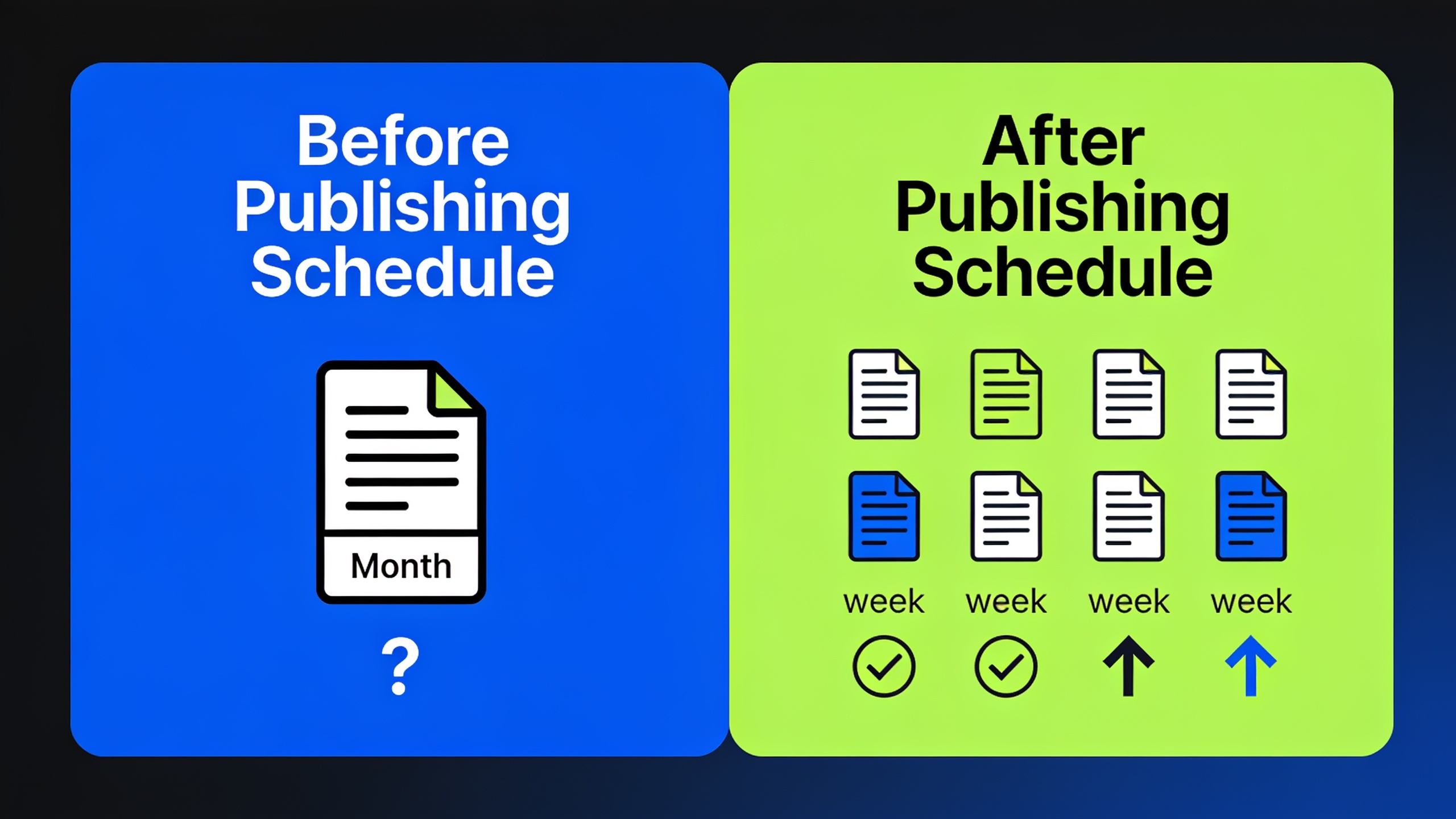
Cadence was the biggest shift, full stop. Instead of waiting for someone to find a spare afternoon, Loopwise started publishing several optimized articles a week, each aimed at a specific keyword or question their buyers were likely typing into Google. Workflow bottlenecks. Approval process templates. Manual versus automated task tracking, that kind of thing. It's the same core move documented in a related organic traffic case study of a 3-person startup that tripled organic traffic in 90 days, where the driver wasn't some viral hit. It was consistent volume, plain and boring and effective.
Why Consistency Mattered More Than Any Single Article
No single post was ever meant to carry the whole thing. Search engines tend to reward domains that show depth and topical consistency over time, and a steady drip of relevant articles gives a small site way more shots at ranking for long-tail queries than one or two "hero" pieces ever will. The team reviewed every AI-drafted article before it went live, fact-checking anything about their own product or industry. But the drafting, keyword targeting, and the on-page grunt work (meta descriptions, heading structure, internal linking) no longer needed a dedicated writer or SEO person doing it all by hand.
Keeping Content Grounded in Real Buyer Questions
They picked topics straight out of the questions their sales calls kept surfacing. How do you structure approval workflows? How do you move off spreadsheets into automated task tracking? How do you even calculate the time cost of manual handoffs between departments? That kept the content useful to an actual human, not just written to please a keyword tool. And that matters twice over: a visitor who finds a real answer is more likely to trust the product pitch at the end, and search engines increasingly care whether content shows practical, specific value versus fluff.
Building a Natural Backlink Network Without Cold Outreach
A backlink is just a link from one website to another, and search engines have used the number and quality of backlinks pointing at a domain as a trust-and-authority signal for ages. Content on its own rarely ranks a young domain for competitive terms. You need other relevant sites willing to point at you. Loopwise's earlier stab at this was cold outreach emails to blogs in adjacent niches, and the response rate was, well, roughly zero.
Why Cold Outreach Wasn't Working
Cold link-building emails land in an inbox next to dozens of identical pitches, and most site owners just delete them. No relationship, no reason to help a stranger. Simple as that. Loopwise's founder figured fewer than one in twenty of their outreach emails even got a reply, and almost none turned into a live, relevant link.
Switching to a Verified Exchange Model
So they stopped emailing strangers and joined RobinRank's backlink exchange network, which connects site owners directly. You request a placement, offer a reciprocal link back, and the live link gets verified instead of just promised. Every site in the network's Discover directory is reviewed by hand and has to hit a minimum Domain Rating of 5 or higher on Ahrefs before it even gets listed. That screening exists to keep out private blog networks, link farms, and those thin doorway pages built purely to trade links.
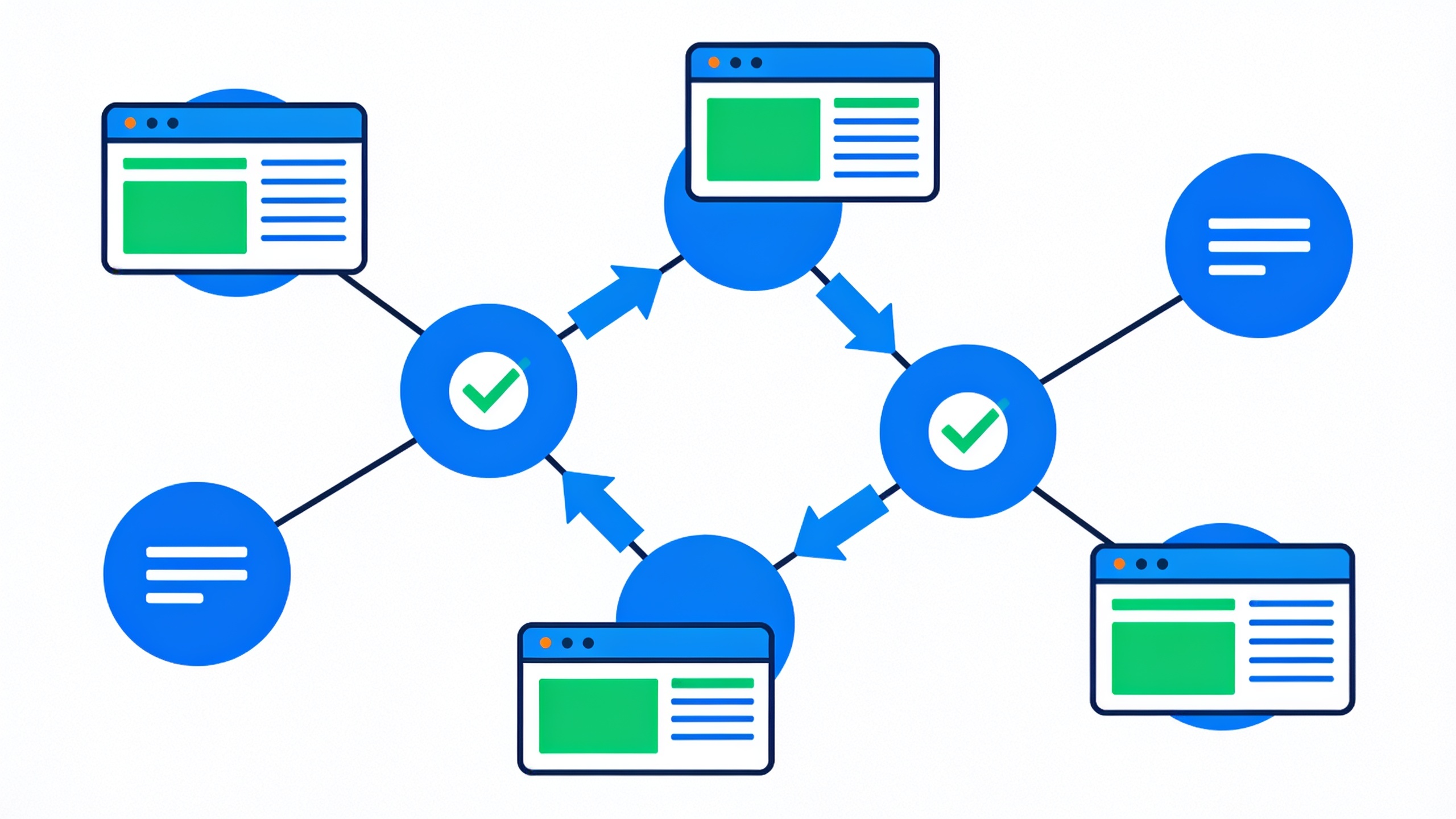
Loopwise used it to request placements on real, content-rich sites in adjacent niches: project management blogs, small business operations resources, a couple of finance sites read by the same operations-manager crowd they were chasing. And they offered links back from their own growing library when it actually made sense to.
This is basically the model laid out in a related case study on how an agency tripled client backlinks using an exchange network, where actual conversations with real site owners beat mass outreach on the rate of published, verified placements. The exchange also gave Loopwise a way to confirm a link was really live. RobinRank crawls the destination page to check the href is there, then keeps checking on a schedule, so a placement that quietly disappears three weeks later doesn't slip by unnoticed.
Want content like this running on autopilot for your own site? Try RobinRank free — AI-written, SEO-optimized articles generated and published automatically, no credit card required.
Why "Natural" Still Requires Relevance
Let me be precise about "natural," because it's a word people abuse. These weren't paid drops on random sites crammed with keyword-rich anchor text. They were topically relevant pages where linking to a workflow automation resource actually fit, like a small business operations blog's resources page pointing to Loopwise's approval-workflows guide. That relevance is a big part of why the links held up. It's also why the referring pages sent a small but real trickle of direct traffic on top of any ranking benefit.
SaaS SEO Case Study Results: Trial Signups Over 90 Days
Over the three months, Loopwise's organic trial signups roughly doubled, moving from a flat weekly baseline to a clearly higher and still-climbing weekly average by the end of month three. It didn't show up as one big spike, either. It built gradually as more articles got indexed, more backlinks got verified, and older posts slowly climbed the rankings on the back of the domain's rising authority.
Here's the directional change across the metrics they tracked internally, before and after. These are Loopwise's own numbers from this one case, not industry averages, and they're here to show the shape of the change rather than to set an expectation for your company.
| Metric | Before (Month 0) | After (Month 3) |
|---|---|---|
| Published articles on the blog | A handful, published irregularly | Multiple new optimized articles per week |
| Verified backlinks from relevant sites | Few, mostly directories | Several, from topically relevant sites via the exchange network |
| Organic trial signups per week | Baseline (low, flat) | Roughly double the baseline |
| Content publishing process | Manual, ad hoc, no dedicated writer | AI-drafted, team-reviewed, published on a set schedule |
| Link-building method | Cold outreach emails, low response rate | Direct requests to site owners in a reviewed exchange network |
The doubling isn't even the most interesting part of that table. What matters is the two things that moved together: publishing consistency and verified backlink count. Content without links to support it tends to plateau once the easy long-tail keywords are grabbed. Links without fresh, relevant content have nothing new to point at and amplify. Loopwise's growth came from running both at the same time. Neither one alone would've done it.
How Long Does It Take to See AI Content Results?
AI content results usually start showing up in your analytics within four to eight weeks of consistent publishing, but real ranking movement on competitive terms tends to take closer to two to three months, and then it keeps compounding well past that. Loopwise's earliest measurable bump in organic sessions came from long-tail, low-competition keywords that new articles could rank for pretty fast, sometimes within the first few weeks of getting indexed. The trial signup lift lagged a little behind that, since traffic has to actually show up and convert before it registers as a signup.
Why Results Aren't Instant
Search engines need time. They crawl and index new pages, watch how people interact with them, and weigh them against existing competitors before deciding where they belong. A brand-new article on a young domain almost never outranks a competitor's five-year-old guide in week one, no matter how tidy your optimization is. What actually bends the timeline is consistency. A domain that publishes one article and quits sees way less compounding than one that keeps adding relevant pages and verified links month after month, because every new page and link gives search engines another reason to trust you and come back to re-crawl.
Why the Backlink Timing Matters Too
Backlinks compound on a similar timeline, just slightly offset. A freshly verified link doesn't teleport authority to you overnight. It takes time for search engines to find it and factor it in, and the effect is generally stronger when it's one of many relevant links piled up over weeks rather than a single link sitting there alone. Which is exactly why Loopwise treated link building as an ongoing weekly habit inside the exchange, not a one-time box to check.
What Other SaaS Startups Can Take From This SaaS SEO Case Study
The core lesson is that consistent, buyer-focused content plus genuinely relevant backlinks beats sporadic blogging and cold outreach, even with no dedicated marketing hire. A few things are worth pulling out if you're a founder or marketer trying to run your own version of this.
Match Content Topics to Sales Conversations, Not Just Keyword Volume
Loopwise's best articles came from the exact questions prospects asked on sales calls, not the fattest-search-volume keyword some tool spat out. High volume with no buyer intent brings visitors who bounce in four seconds, which does nothing for conversion and can actually drag down the engagement signals search engines use to judge quality. Chasing volume for its own sake is a trap I see people fall into constantly.
Treat Publishing Cadence as a Growth Lever, Not a Chore
A once-a-month schedule just can't build the topical depth search engines are looking for. Moving to weekly or a few times a week, with an AI drafting and optimization tool doing the heavy lifting and a human reviewing before publish, let Loopwise scale output without scaling headcount. That's the whole game for a small team.
Prioritize Relevance and Verification Over Link Volume
Not all backlinks are worth the same, and a handful of links from relevant, real sites in a reviewed network outperformed the bigger pile of junk directory links Loopwise had collected before. Verification matters too. Confirming a link is genuinely live on the page, not just promised in some email thread, is the difference between a link that helps and a link that never existed.
Measure Organic Signups Specifically, Not Just Traffic
Traffic growth feels great, but on its own it's a vanity metric. Loopwise tracked trial signups tied specifically to organic search sessions so they could tell whether all this content and link work was producing actual business results, or just more visitors who wandered off without signing up. Big difference.
Frequently Asked Questions
Does AI-generated content actually rank for SaaS companies, or is that wishful thinking?
It ranks fine when it's optimized for a specific keyword or question, checked for accuracy by someone who actually knows the product and industry, and published consistently instead of as a one-off. For Loopwise, the articles that ranked fastest were the ones answering narrow, specific buyer questions, not the broad generic topics already owned by established competitors.
How many backlinks does a small SaaS startup actually need before rankings improve?
There's no magic number, honestly, because link value depends way more on the relevance and authority of the linking site than the raw count. Loopwise saw movement from a fairly modest number of verified, topically relevant links picked up steadily across the 90 days, not from some giant batch dumped in all at once.
Is a backlink exchange network just a fancy way of buying links?
No. An exchange like the one Loopwise used connects real site owners so they can request and offer placements directly, with every live link verified by crawling the page. No paid link purchases involved. Every site in the directory is manually reviewed and has to clear a minimum Domain Rating threshold before it's listed, which is meant to keep out private blog networks and link farms rather than run as some marketplace.
How fast should a SaaS startup expect AI content results after starting a schedule?
Early, smaller wins on long-tail keywords often show up within four to eight weeks. More meaningful movement on competitive terms, and downstream stuff like trial signups, tends to take closer to two to three months of consistent publishing and link building, based on what happened with Loopwise.
Can a really small team run this without hiring anyone?
Loopwise pulled it off with their existing five-person team by letting an AI content platform handle drafting, optimization, and publishing, and a reviewed exchange network handle link building. Their people spent time on review and topic selection instead of writing and outreach from scratch. The workload shifted from "make everything by hand" to "review and approve," which is a genuinely smaller lift.
Loopwise's run isn't a guarantee your signups will double in exactly 90 days. Results depend on your starting domain authority, how brutal your competitive landscape is, and how well your content matches what buyers actually want. But the mechanics underneath are repeatable. Publish relevant content on a consistent schedule, back it with genuinely relevant and verified links, and measure the specific business outcome you care about instead of feel-good traffic numbers. For a startup with no content team and a paid budget that keeps shrinking, that combo turned a stalled blog into a working growth channel inside a single quarter. Not bad for five people.
Ready to stop writing content by hand? Start your free RobinRank trial and get a full month of SEO-optimized articles published on autopilot.