Zero-Click Searches Are Rising: How to Adapt Your Content in 2025
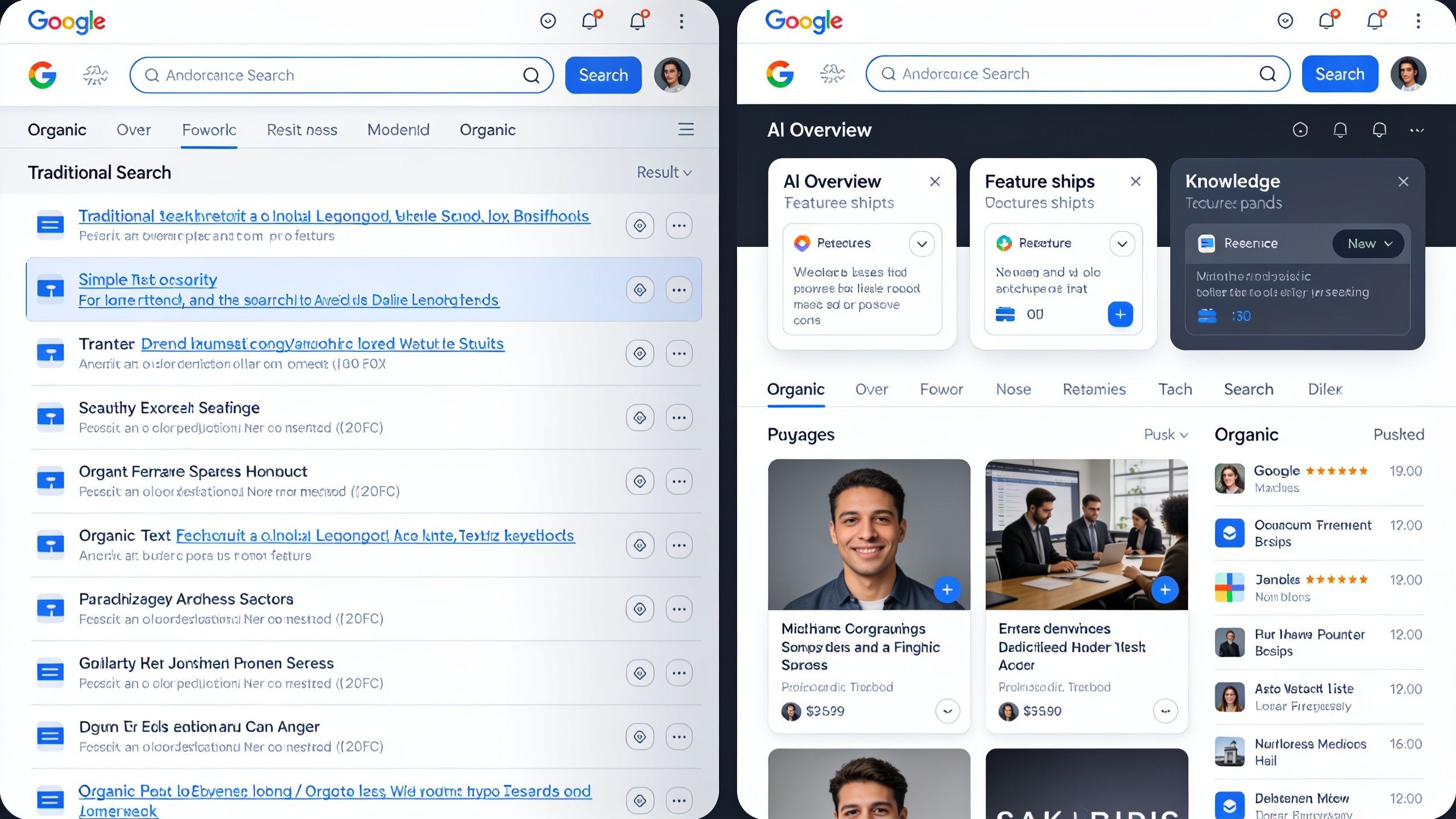
So let's talk about what's actually going on, why it's happening faster in 2025, and what you can realistically do about it. I'm not going to tell you to panic over lost traffic. That's a waste of energy. The real goal is rebuilding a content strategy that still earns attention, trust, and brand recall even when nobody clicks a thing.
Table of Contents
- What Are Zero-Click Searches?
- Why Are Zero-Click Searches Increasing in 2025?
- How Do Zero-Click Searches Affect Search Visibility in 2025?
- Zero-Click Search Formats Compared
- How Can You Adapt Your Content Strategy for Zero-Click Searches?
- Measuring Success Beyond the Click
- Building a Zero-Click-Resilient Content System
- Frequently Asked Questions
What Are Zero-Click Searches?
A zero-click search happens when a search engine answers a user's query directly on the results page, using featured snippets, knowledge panels, People Also Ask boxes, local packs, or AI summaries, so the person never visits a website. The term got popular thanks to SparkToro, the market research firm founded by former Moz CEO Rand Fishkin, which has poked at U.S. search behavior repeatedly alongside the clickstream data provider Datos.
Their research found something a lot of people in SEO didn't want to hear: a majority of Google searches in the U.S. end without a click to any web property at all. The person either gets their answer right there, or refines their search and never once leaves Google's own backyard. That's a huge break from the old web, where search results basically worked as a directory pointing traffic somewhere else.
Now, it helps to be precise here, because "zero-click" gets thrown around loosely and the different flavors call for different fixes. True zero-click is when the query gets answered on the SERP and no click happens anywhere at all. Then there's zero-click to your domain, where a click does happen, it just goes to a competitor, a social platform, or Amazon instead of you. And finally there's the sneaky one, a click quality shift, where you get fewer total clicks but the ones you keep come from higher-intent people.
Figuring out which of these is actually happening to your traffic matters a lot. The remedy is completely different in each case.
Why Are Zero-Click Searches Increasing in 2025?
Zero-click searches are climbing because search engines are pouring money into on-page answer formats, especially AI summaries, that are literally designed to satisfy someone without a click. Google has publicly framed its AI Overviews (rolled out broadly in 2024, then expanded through 2025) as a way to help people "ask entirely new types of questions" and get synthesized answers right in Search, according to Google's own Search team.
A few things are all happening at once here, which is why it feels so sudden.
AI Overviews are the obvious one. Google blends info from a bunch of sources into a single answer and plops it above the traditional listings. For a ton of informational stuff, definitions, comparisons, "how does X work," that summary alone is enough. Done. No click needed.
Then there's everything happening outside Google. ChatGPT, Perplexity, Gemini, more and more people start research there instead of a search engine at all. Whether or not you want to call that a "zero-click search" in the strict SparkToro sense, honestly the effect on your traffic is identical. The answer got consumed. You got skipped.
Mobile and voice pile on too. Quick stuff like "weather today," "nearest coffee shop," "convert 200 euros to dollars," that was always going to get answered instantly. Nobody's clicking a link to find out today's temperature. As mobile search keeps growing, so does that whole category of never-click queries.
And the SERP itself just keeps getting more crowded. Featured snippets, knowledge panels, People Also Ask, local packs, shopping carousels, they've all fattened up over the past few years, shoving the organic listings further and further down. By the time you scroll to an actual blue link, your attention's already been spent three times over.
There's also a plain human-habit thing going on. Once people learn Google (or their AI assistant of choice) reliably answers quick questions on the spot, they just stop clicking for those queries entirely. Which reinforces the whole pattern.
None of this means clicks are vanishing. It means the mix of queries that deserve a click is shrinking, and the ones left standing tend to be more complex, more transactional, or more trust-sensitive. Which, funnily enough, is exactly the kind of content where a good article still wins.
How Do Zero-Click Searches Affect Search Visibility in 2025?
Zero-click searches change search visibility in 2025 by shifting the whole goal from "earn a click" to "earn a mention," because your brand can still get seen, quoted, and remembered even when nobody lands on your site. Search visibility in 2025 increasingly means being the source an AI Overview cites, the snippet Google grabs, or the answer Perplexity summarizes. Not just the blue link somebody taps.
That has some very concrete consequences for how you should read your own numbers.
For starters, impressions can climb while clicks fall off a cliff. If Search Console shows impressions going up but click-through rate dropping for the same queries, that's usually your content getting used to fill a snippet or AI Overview instead of driving a visit. Weird as it sounds, that's not automatically a failure. It's just a different flavor of exposure.
Brand recall becomes a thing you have to track on purpose now. If someone reads your name in an AI answer, doesn't click, but remembers you next time they need the paid version of that answer, a product, a service, a consult, that's real value your analytics dashboard will never show you directly. Annoying, but true.
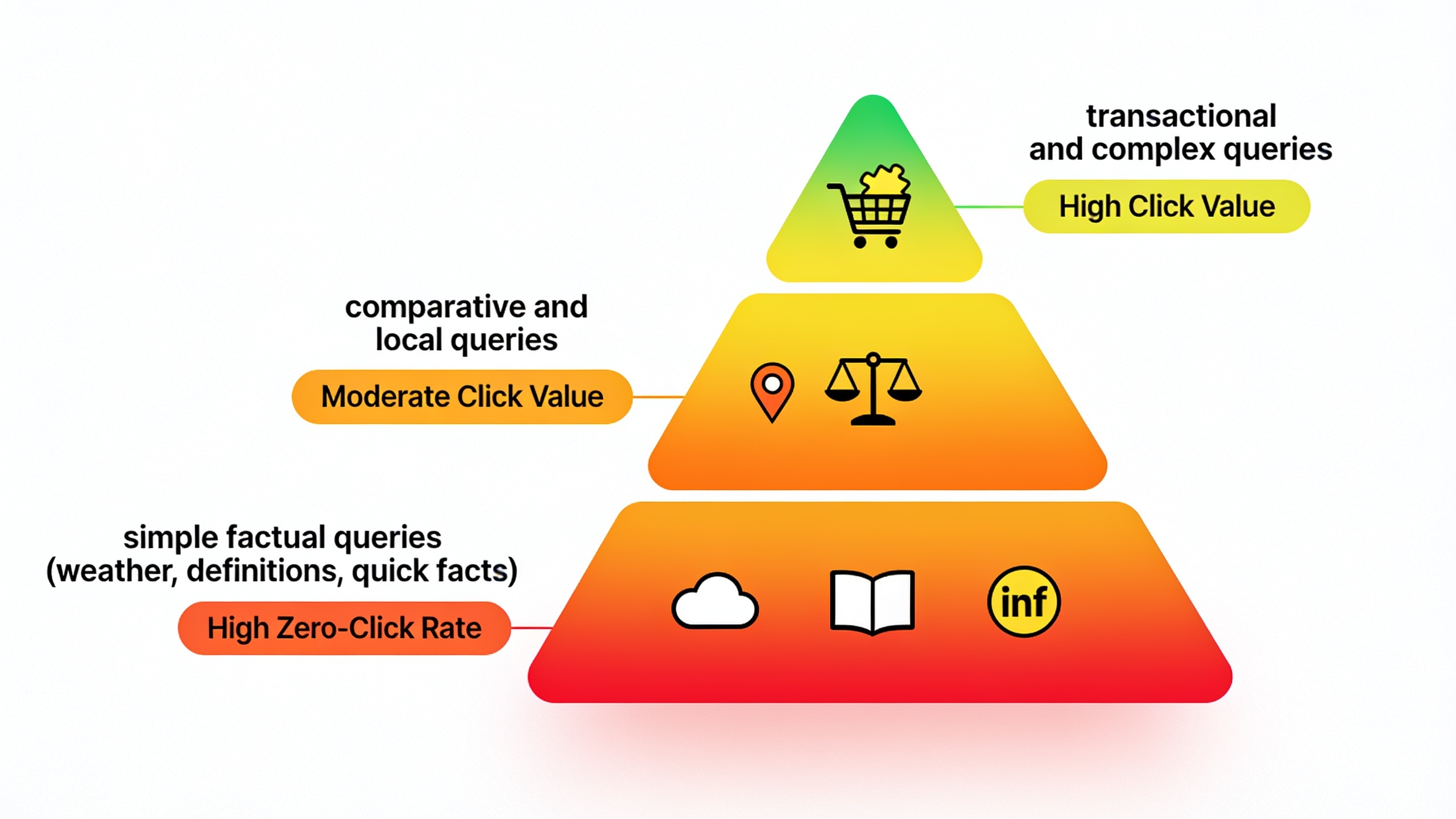
Top-of-funnel content takes the biggest hit here. Your "what is X" definitional stuff is the first thing to get fully answered on the SERP. Bottom-of-funnel content, pricing comparisons, reviews, local service pages, "best X for Y" roundups, tends to hold its click value because people genuinely want to verify details, see specifics, or actually do something the SERP can't do for them.
Local and video are the comparatively safe zones. Local intent queries usually still need a website visit, a phone call, or directions, and an AI summary can't fully hand those over. If local's part of your game, it's worth walking through a beginner's roadmap on local SEO for small businesses to make sure your Google Business Profile and on-site signals are actually pulling their weight while broader informational search gets swallowed whole.
And this is where multi-format visibility earns its keep. Video results, image packs, app-based answers, they're all fighting for the same eyeballs. Getting your stuff to surface as a YouTube result, not just a text snippet, is one of the more dependable ways to keep clicks coming. Our guide on how to optimize YouTube videos so they show up in search covers the actual mechanics of getting video found inside both Google and YouTube.
Zero-Click Search Formats Compared
Not every zero-click format behaves the same way, and each one wants a different approach. Here's the breakdown of the major formats you'll bump into during 2025 and what it actually takes to show up inside them.
| SERP Feature | What It Does | Click Likelihood | How to Optimize For It |
|---|---|---|---|
| AI Overviews | Synthesizes multiple sources into a generated summary above organic results | Very low | Write clear, well-structured answers; use explicit definitions; get cited by earning topical authority and inbound links |
| Featured Snippet | Pulls a short excerpt (paragraph, list, or table) into a highlighted box | Low, but can boost brand visibility | Answer the query in the first 1-2 sentences of a section; use lists and tables for list/comparison queries |
| People Also Ask | Expandable Q&A boxes tied to a query | Low | Structure content with clear H2/H3 questions and direct one-sentence answers beneath them |
| Knowledge Panel | Entity-based summary box, often sourced from Wikipedia/Wikidata or structured data | None (informational only) | Maintain consistent NAP data, structured data (schema.org), and consistent entity mentions across the web |
| Local Pack | Map-based results with three local business listings | Moderate to high (calls, directions) | Optimize Google Business Profile, reviews, and local landing pages |
| Video Result / Featured Video | Surfaces a video with a timestamp jumping to the relevant moment | Moderate to high | Optimize titles, descriptions, and transcripts for search intent |
| Traditional Organic Listing | Standard blue-link result | Highest remaining click value | Target queries with commercial, comparative, or local intent where users need more than a summary |
The pattern's pretty clear once you stare at it. The more a query can be answered in a sentence or two, the more likely it gets absorbed by a zero-click format. The more it needs judgment, comparison, or an actual action, the better your odds of getting a real visit.
How Can You Adapt Your Content Strategy for Zero-Click Searches?
The best way to adapt is to stop obsessing over click-through rate alone and start optimizing for two things at once: getting cited inside zero-click formats, and making content that genuinely can't be fully answered without a visit. And no, those aren't contradictory goals. They're two halves of the same modern strategy.
Want content like this running on autopilot for your own site? Try RobinRank free — AI-written, SEO-optimized articles generated and published automatically, no credit card required.
Structure Content to Be Quotable
AI Overviews, snippets, and PAA boxes all reward content that answers a question in a clean, self-contained, liftable way. So open each section with a direct one-or-two-sentence answer before you get into the nuance. Define your key terms the first time they show up instead of assuming people read the paragraph above. Phrase your H2s and H3s as real questions ("How much does X cost?" beats "Pricing" every time). And lean on tables and lists for anything comparative, because both AI systems and humans skimming on their phones find those way easier to grab.
Here's the ironic part. Making your content more extractable can actually bump up your odds of zero-click exposure while still building the authority that earns clicks on your harder, more specific pages. Win-win, sort of.
Double Down on Content That Resists Summarization
Some content just refuses to be crushed into a snippet, because the value lives in specificity, personalization, or interactivity. A few categories worth pouring energy into:
- Original data and case studies. If your article has a proprietary survey, a benchmark, a before/after, an AI Overview can reference it but it can't replace the methodology, the context, or the visual proof.
- Tools and calculators. Anything interactive demands a visit. That's the whole point of it.
- Local, transactional pages. "Best plumber near me" or "book a consultation" needs an action, not a summary.
- Long, nuanced comparisons. A 2,000-word teardown of pricing tiers, feature gaps, and edge cases is a lot harder to compress than "what is a CDN."
Optimize for Being the Cited Source, Not Just the Ranked Page
Getting cited inside an AI Overview or a Perplexity answer leans hard on the same fundamentals that drive normal rankings, topical authority, clean structure, credible sourcing, plus a couple of AI-specific habits. Name your entities, numbers, and sources explicitly instead of hiding behind vague phrasing, because generative systems tend to prefer stuff they can verify and attribute. Keep factual claims tightly scoped and sourced, since these systems are getting nervous about summarizing anything they can't stand behind. And keep your brand and topic signals consistent across your whole site, so crawlers can confidently tie your domain to a subject.
Diversify Beyond the Traditional Blue Link
Since zero-click formats cluster around Google's text results, spreading yourself across other discovery surfaces cuts your dependence on any single one. Video's the clearest example I can point to. A well-optimized YouTube video can pop up right inside Google's results with a timestamp jumping to the exact answer, which is a fundamentally different and often higher-intent kind of visibility than a text snippet. If that's not already in your plan, the guide on optimizing YouTube videos to show up in search covers the specific technical and editorial steps.
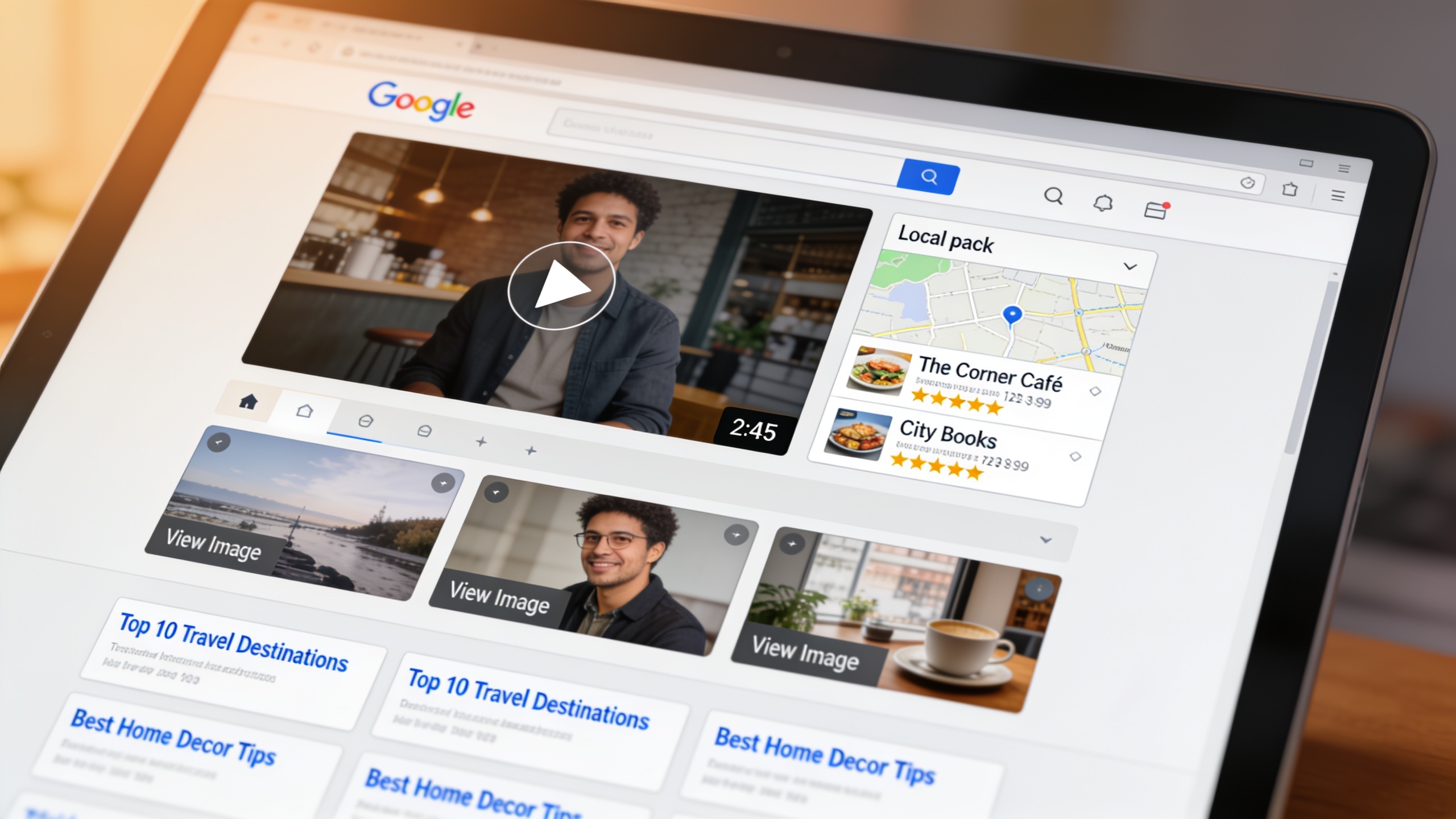
Local search is another spot worth building out on its own, since those queries still reward genuine clicks, calls, and visits way more than general informational search ever will. A structured approach, laid out in the beginner's roadmap to local SEO, helps small businesses grab that still-click-friendly slice of search.
Publish Consistently to Build Topical Depth
One great article almost never earns durable AI citations or snippet placements on its own. Topical authority gets built through consistent publishing across a subject, backed by smart internal linking and, where you can get them, backlinks from other relevant sites. That's a big reason editorial automation has gotten so appealing to lean teams. Platforms like RobinRank's Autopilot tool are built to handle AI-assisted keyword research, drafting, and scheduled publishing to WordPress, Ghost, or a webhook, while contextual community backlinks pile up through RobinRank's manually reviewed exchange network in the background. For teams without dedicated content staff, that steady output is often the whole difference between occasionally showing up in an AI answer and being treated as a go-to source on a topic.
Measuring Success Beyond the Click
Click-through rate can't be your only scoreboard anymore, because a growing chunk of search value now happens without a click at all. To see the fuller picture, you've got to track a mix of visibility, mention, and downstream signals alongside the traffic numbers you already watch.
A few practical tweaks. Track impressions and average position separately from CTR in Search Console. Rising impressions with flat or falling CTR on informational queries usually means zero-click absorption, not a ranking problem. Keep an eye on branded search volume over time too, because if people are meeting your brand in AI answers or snippets without clicking, you'd expect a bump in direct branded searches later on. Watch your referral traffic from AI platforms as well. Perplexity, ChatGPT (when it cites sources), and Gemini are all sending a little referral traffic now, and even small numbers tell you your content's getting surfaced and trusted enough to cite.
Two more that people skip. Segment your content by query intent, group pages into informational, comparative, transactional, and local buckets, then measure CTR trends inside each bucket instead of blending everything into one useless average. The zero-click effect just isn't uniform across intent types. And set expectations by content type. A glossary-style "what is X" page should lose clicks over time as AI Overviews mature, that's normal. A "best X for Y in [city]" page should not, and a sustained drop there is worth digging into separately.
Building a Zero-Click-Resilient Content System
Adapting to zero-click search isn't a one-and-done fix, it's an ongoing content operations problem, because search engines are going to keep expanding which query types they answer directly on the SERP. The most resilient setup blends three habits: structuring content to be citation-friendly, concentrating your effort on content that genuinely needs a visit, and keeping up the publishing consistency that builds authority over time.
For teams that just don't have the bandwidth to do this by hand across dozens of articles, a mix of AI-assisted drafting and a real backlink network can offset some of the volume problem. Content still needs breadth and consistency to earn authority signals, and backlinks from real, relevant sites still matter for both traditional rankings and the credibility signals that nudge AI citations. That's exactly the combination RobinRank is built around, Autopilot for AI-planned, scheduled publishing, and Network for direct backlink exchanges with manually reviewed site owners, so content creation and link building push on the same underlying organic signals instead of running as two disconnected efforts.
Frequently Asked Questions
So does all this mean SEO is basically dead?
Nope. SEO fundamentals, relevance, structure, authority, technical health, are the exact things that decide whether your content gets cited inside a zero-click feature at all. What's changed is the target. Instead of optimizing purely for a click, you're also optimizing to be the trusted source an AI Overview or snippet pulls from. That still runs on good SEO.
Which kinds of queries get hit hardest by zero-click search?
Short, factual, definitional stuff ("what is," "how many," "define") is the most likely to get fully answered on the results page. Comparative, transactional, and local queries ("best X for Y," "near me," pricing comparisons) hold onto more click value, because people usually want to verify specifics or take an action the SERP can't finish for them.
How do I know if zero-click search is the thing hurting my traffic?
Check Search Console for pages where impressions are steady or rising but clicks and CTR are sliding on the same queries. That pattern, especially on informational content, almost always points to a snippet or AI Overview eating the answer rather than an actual ranking drop.
Should I just stop writing informational content if AI Overviews are going to summarize it anyway?
Not necessarily. Informational content still builds topical authority, supports your internal linking, and can earn citations that drive brand recall even without a click. The smarter play is pairing it with deeper, harder-to-summarize content, case studies, comparisons, tools, so your site grabs both citation value and click value.
If I only make one change, what should it be?
Restructure your content so each section answers its implied question directly in the first sentence or two, then adds the depth after. That one habit alone improves your odds of getting quoted in snippets and AI Overviews while still giving the people who do click a reason to keep reading past the intro.
Zero-click search isn't some temporary glitch you can wait out. It's a structural shift in how people get answers, and it's only going to sink in deeper as AI summaries mature through 2025 and beyond. The strategies that survive won't be the ones chasing every algorithm tweak. They'll be the ones built around clear, citable answers plus genuinely useful, hard-to-summarize depth. Get that balance right and you can still grow visibility, brand recall, and, for the queries that actually matter, real clicks. Even in a search landscape that seems weirdly determined to never send anyone anywhere.
Ready to stop writing content by hand? Start your free RobinRank trial and get a full month of SEO-optimized articles published on autopilot.