The RobinRank Blog
AI content marketing, SEO strategy, link building, and editorial automation — practical guides for growing organic traffic without a full content team.

Schema Markup 101: How Structured Data Improves Rankings
Schema markup is standardized code you add to a webpage's HTML to tell search engines what your content actually means, not just what it says. It won't shove you up the rankings the way a good...

Core Web Vitals Explained: A Simple Checklist for Marketers
Core Web Vitals are three metrics Google uses to measure how fast a page loads, how quickly it reacts when someone clicks or taps, and whether stuff jumps around on the screen while it's loading. The...

What Is Programmatic SEO? A Guide to Scaling Content Fast
Programmatic SEO is the practice of using templates, structured data, and automation to spin up large batches of search-optimized pages all at once, instead of writing each one by hand. So rather...

Is Your AI Content Actually Original, or Just Quietly Getting Buried?
Here's what nobody tells you when you start cranking out AI content at scale: the tools that let you publish fifty articles a month are the same tools that can quietly tank your organic traffic. And...

How Often Should You Publish? Finding Your Content Velocity
Ever sat there staring at an empty editorial calendar, wondering if you really need to crank out a post every single day just to rank? Yeah. Me too. And I've watched a lot of teams torch themselves...
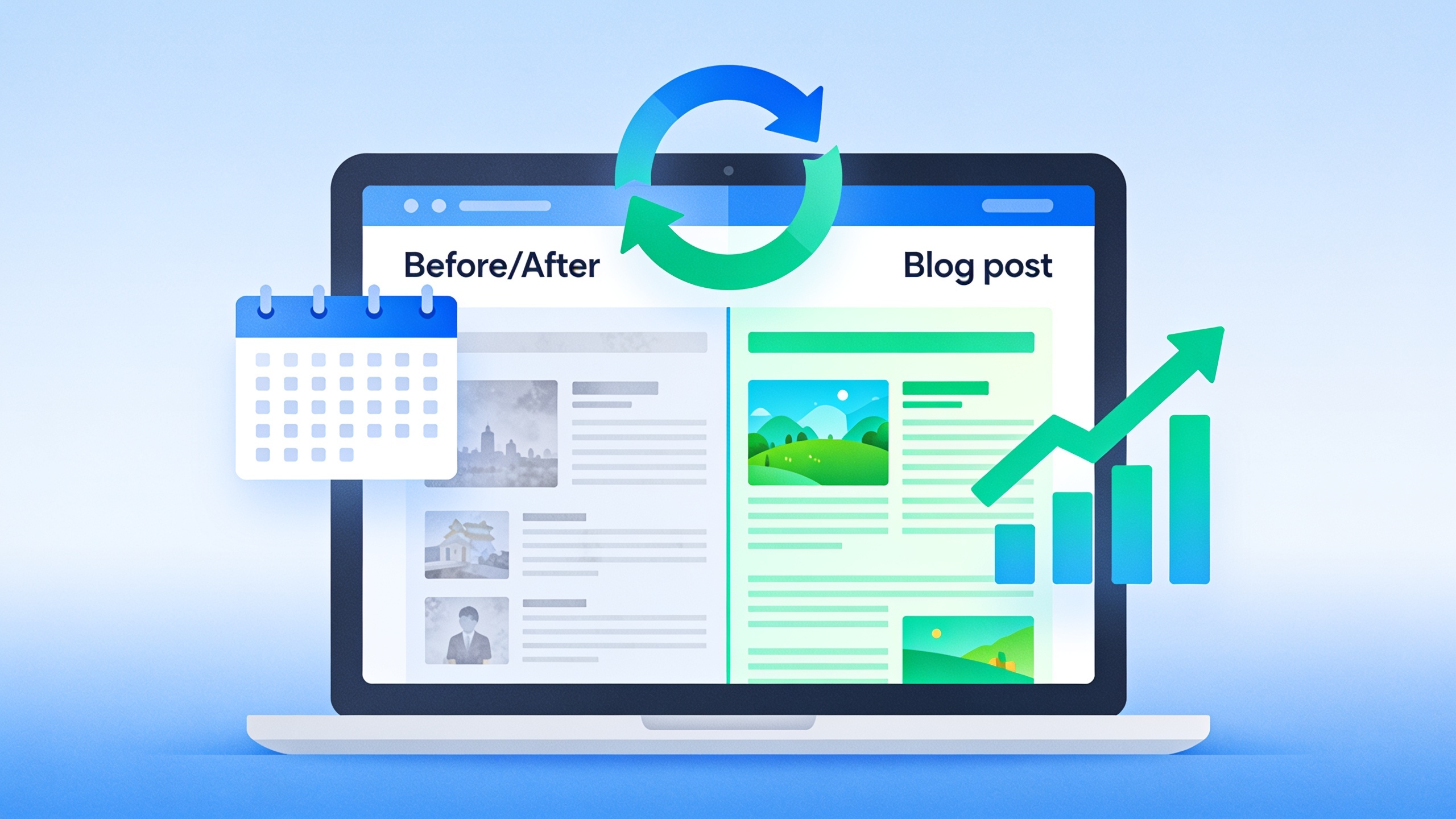
Content Freshness: When and How to Refresh Old Blog Posts
Content freshness is really just the habit of going back into old blog posts and fixing them up. New data, dead links, sections that read like they were written for a world that no longer exists. And...
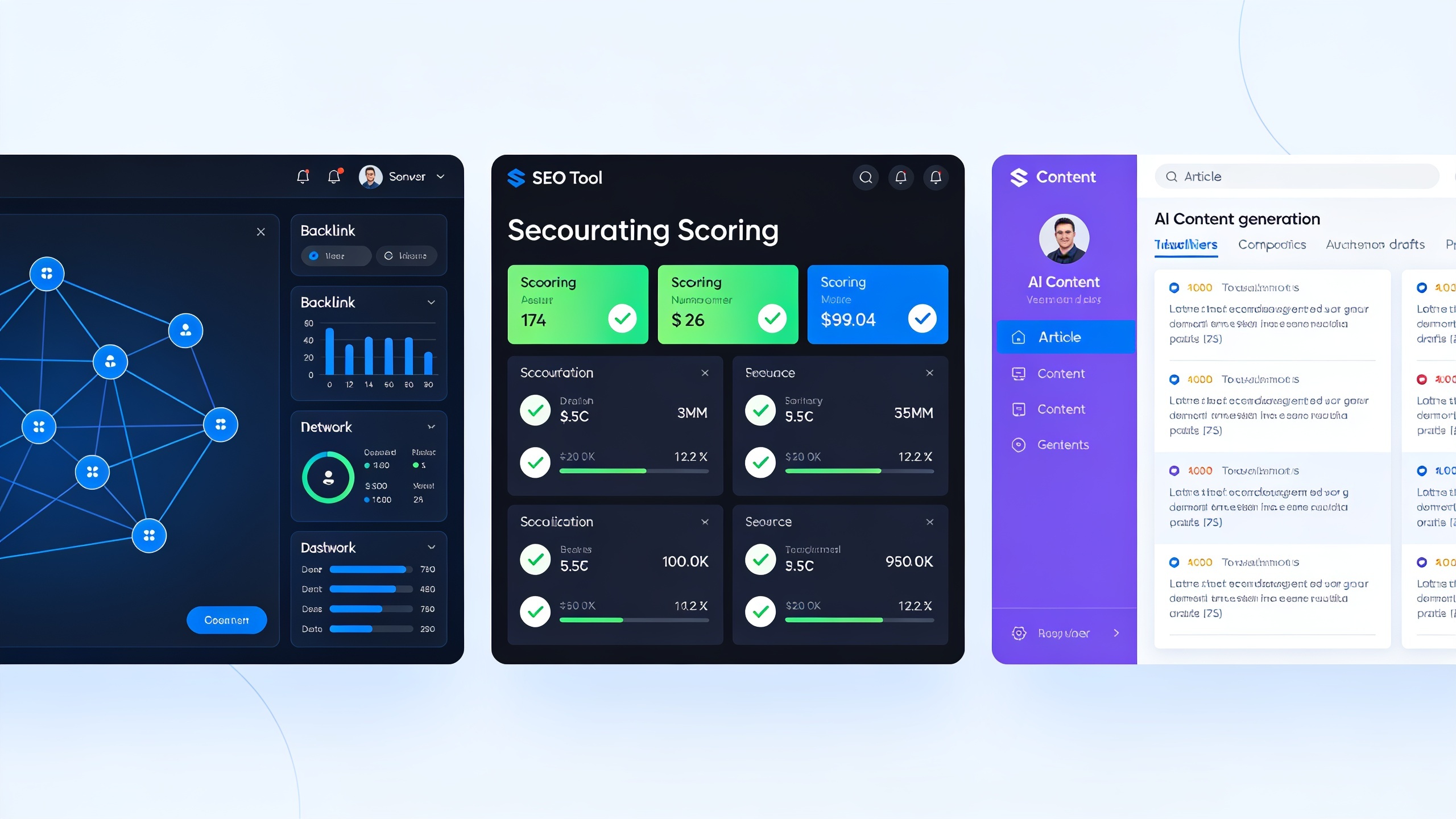
RobinRank vs SurferSEO: Which AI SEO Platform Actually Fits Your Team (And Where Does Content at Scale Land)?
Picking between RobinRank, SurferSEO, and Content at Scale really comes down to one honest question: does your team need help writing and optimizing content, building backlinks, or both? That's it....

Organic Traffic Case Study: How a 3-Person Startup Tripled Organic Traffic in 90 Days
Three people. Ninety days. Roughly triple the organic traffic. That's the short version of this story. The longer version: a bootstrapped startup with a founder, a part-time marketer, and a freelance...

SERP Volatility: What to Actually Do When Google Rankings Start Bouncing Around
If you've ever watched a keyword drop five spots on a Tuesday and then quietly climb back by Friday, congratulations. You've met SERP volatility. It's the term SEO folks use for how much search...
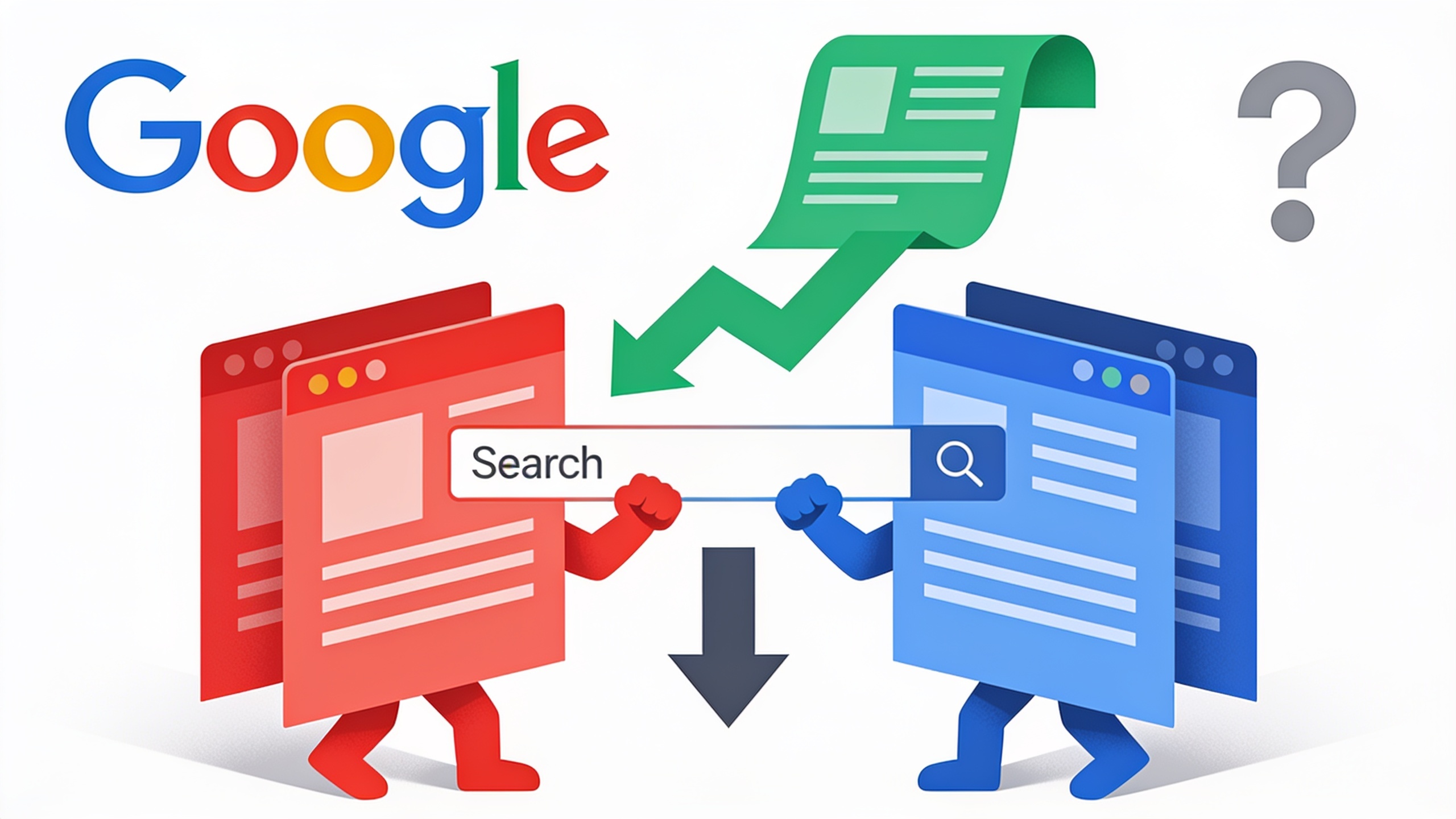
Keyword Cannibalization: How to Find and Fix Competing Pages
Keyword cannibalization is what happens when two or more of your own pages fight each other for the same search query, splitting the ranking signals and leaving Google genuinely confused about which...
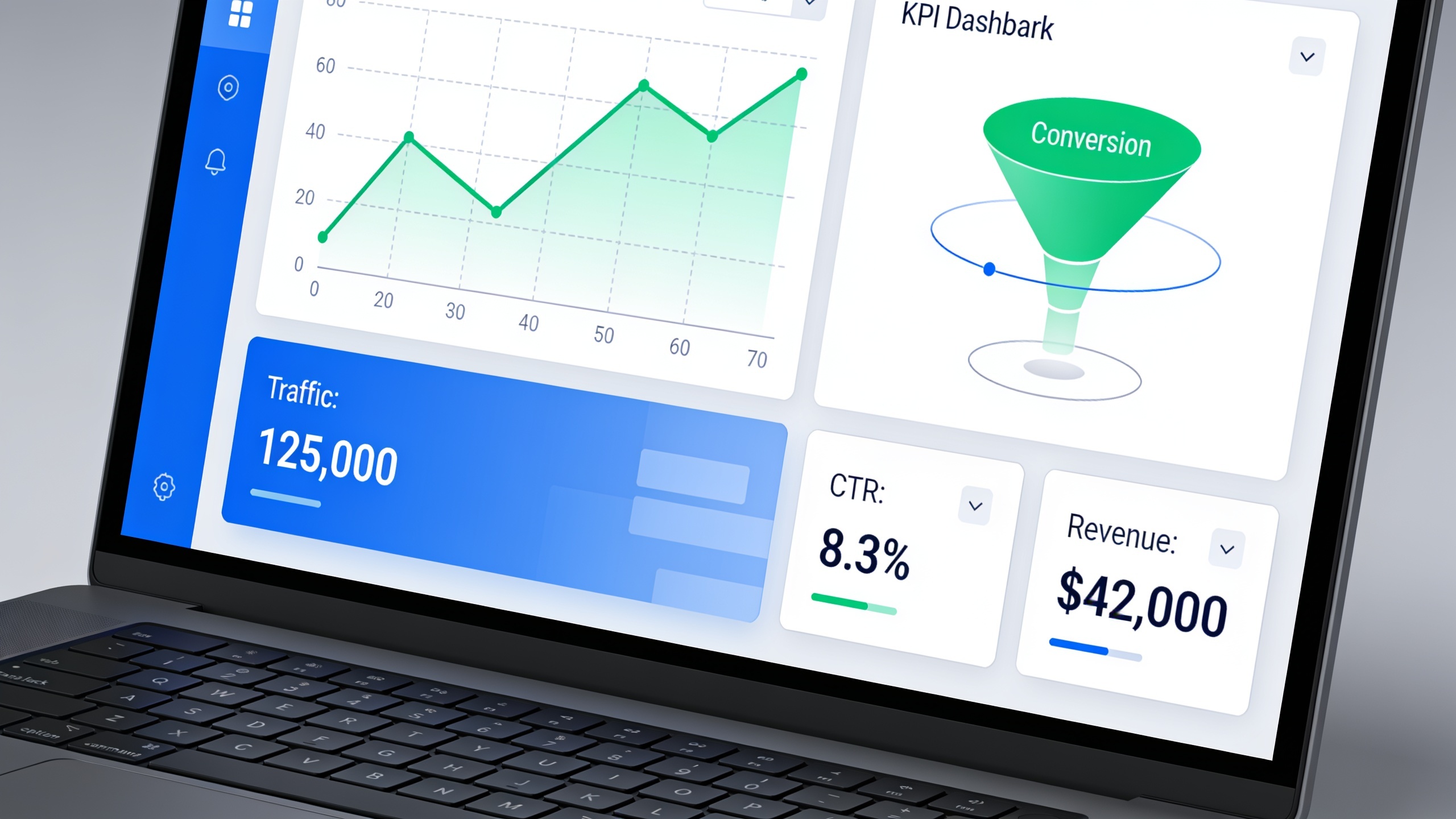
10 SEO KPIs Marketers Should Track Every Month
Ranking #1 for a keyword feels amazing. It also doesn't pay the bills if that page isn't bringing in clicks, leads, or actual revenue. This is the trap a lot of marketers fall into, and it's why the...

The Content Brief Template That Keeps Your Blog Consistent at Scale
Hand the same topic to three different writers and watch what comes back. Different tone. Different depth. One person structures it as a listicle, another writes a rambling essay, the third somehow...